Acclaimed Internationally, Dying Within: The Slow Decimation of Kenya’s UNESCO World Heritage Kaya Forests
Blog post by Joslyn Muthio Nzau, post-doctoral researcher in the research project Local Dynamics and Integration of UNESCO World Heritage Sites of Outstanding Universal Value: Evidence from Cultural Landscapes in Ethiopia and Kenya. She is based at Kenyatta University in Nairobi, Kenya.
The sacred Mijikenda Kaya forests of coastal Kenya tell the profound story of the Mijikenda people’s cultural resilience, spiritual reverence, and deep connection to nature. These sacred groves, once part of interconnected forest ecosystems, have become fragmented islands. Some of these fragments are now UNESCO World Heritage Sites, while others have been designated National Monuments by the National Museums of Kenya.
The term “kaya,” which translates to “home” in most Mijikenda languages, signifies more than just a forest. It is a concept that encompasses ancestral sanctuaries and community identity for the nine Mijikenda groups. Though a significant proportion of the Mijikenda population left their forest homes during the 1940s, their spiritual connection to these places remains strong, as they are the final resting places of their ancestors and crucial biodiversity sanctuaries characterized by a high degree of endemism.
However, in the contemporary era, the sacred forests that earned global acclaim are under threat from internal and external forces largely unrelated to the communities that sustained them for centuries.
Colonial legacies and eroded custodianship
The esteemed Kaya Councils of Elders and other indigenous institutions that previously governed the Kayas have undergone a systematic process of erosion. This is due to social-cultural disruptions during the colonial era that included land alienation, legal dispossession, and systemic subversion of traditional authority; the influence of church missionaries, as well as postcolonial policies that carried on the colonial legacy of ignoring or criminalizing traditional governance practices. Currently, a significant number of the Kaya Council of elders lack the authority and resources necessary to adequately defend these sacred forests. It is concerning that some of the elders have been murdered for allegedly engaging in “witchcraft”- related practices, as Kaya rituals are now deemed by many of the current inhabitants. This unfortunate occurrence has deterred the traditionally recognized forest guardians from acting and emboldened illegal loggers.
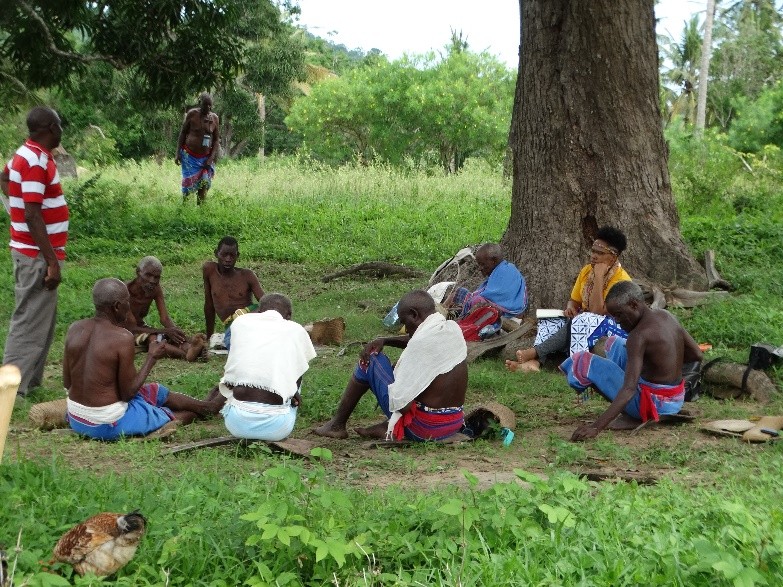
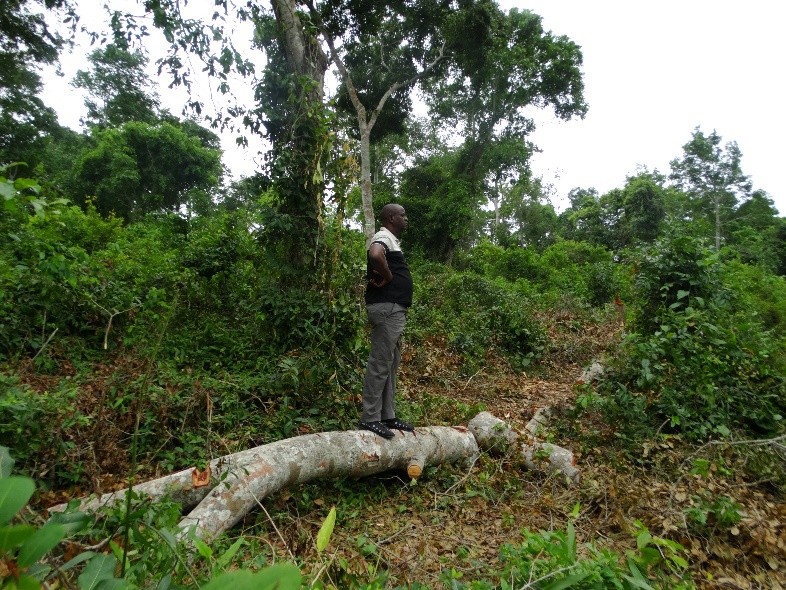
Photo left: Focus Group Discussion with Kaya Rabai council of elders, July 2024, © Eric Kioko.
Photo right: Destructive logging in Kaya Mudzimuvya (Part of Kaya Rabai), May 2024, © Muthio Nzau.
Rising pressure: Land, infrastructure, and extraction
The fragile Mijikenda Kaya forests and their embedded ecosystems, despite their nationally and internationally recognized protection, are under ongoing encroachment due to various factors, including rapid urban expansion, speculative land markets, commercial quarrying, and large-scale, state-led infrastructure development. Infrastructure development in close proximity to sacred ecosystems has substantially escalated land acquisitions and industrial investments. This situation could destroy the remaining sacred forests and their cultural value entirely.
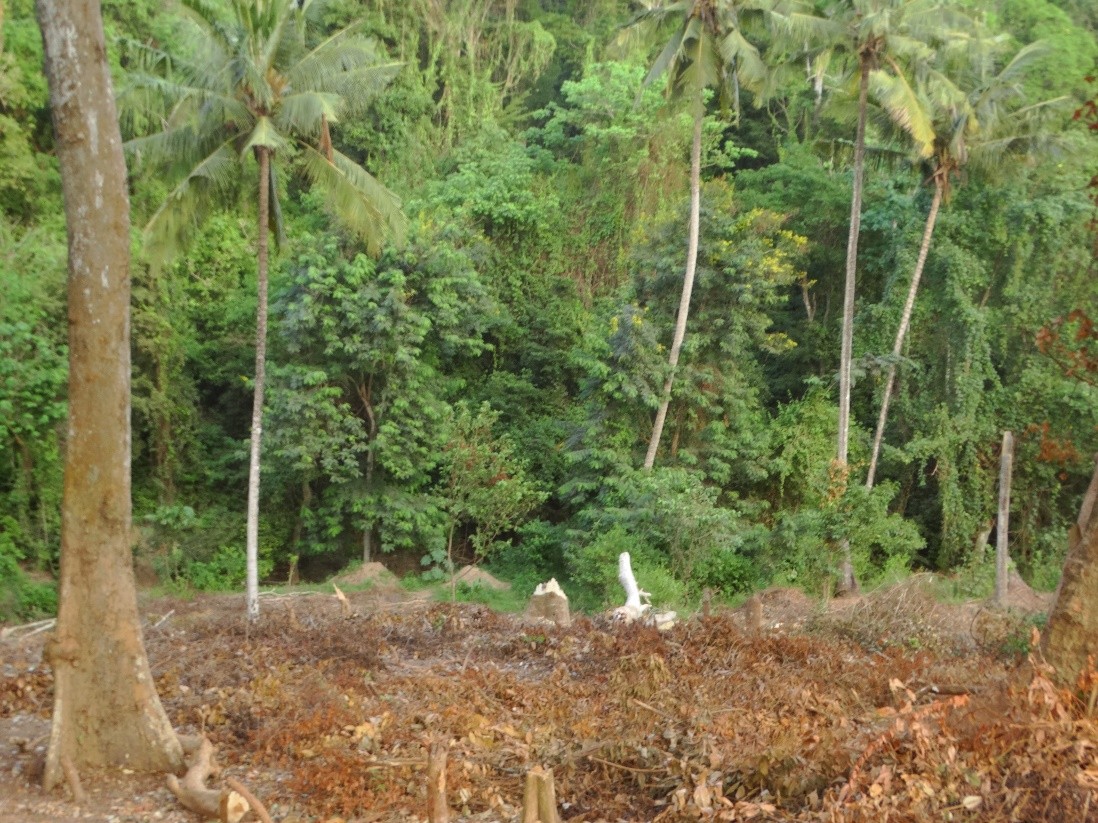
Photo: Ongoing encroachment and clearance of Kaya Kambe Forest buffer zone, January 2025, © Muthio Nzau.
At the same time, acute energy poverty contributes to forest degradation. Local communities with limited access to affordable, clean energy sources rely on firewood and charcoal as their primary energy fuels. As populations grow, deforestation increases as well. Promoting sustainable energy sources, such as clean cookstoves and eco-briquettes made from locally sourced waste materials, could significantly reduce pressure on forest resources, improve health outcomes, and create new income opportunities.
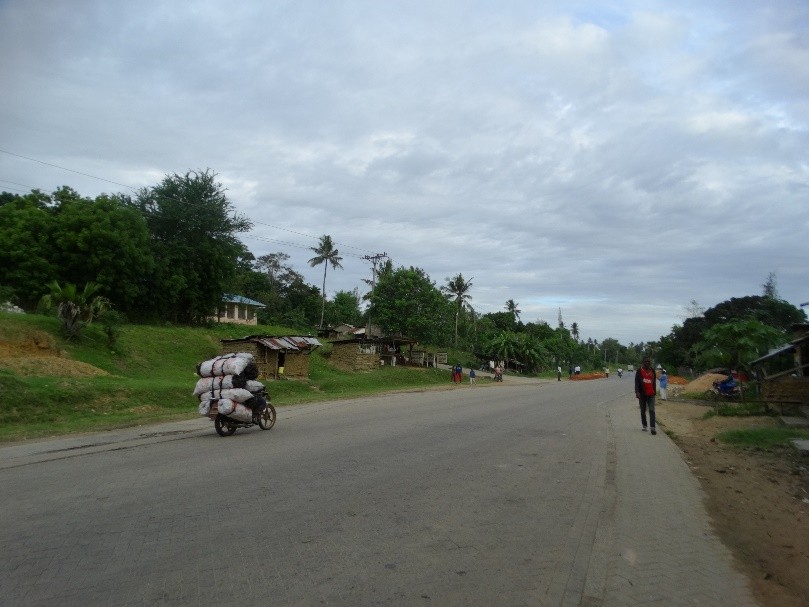
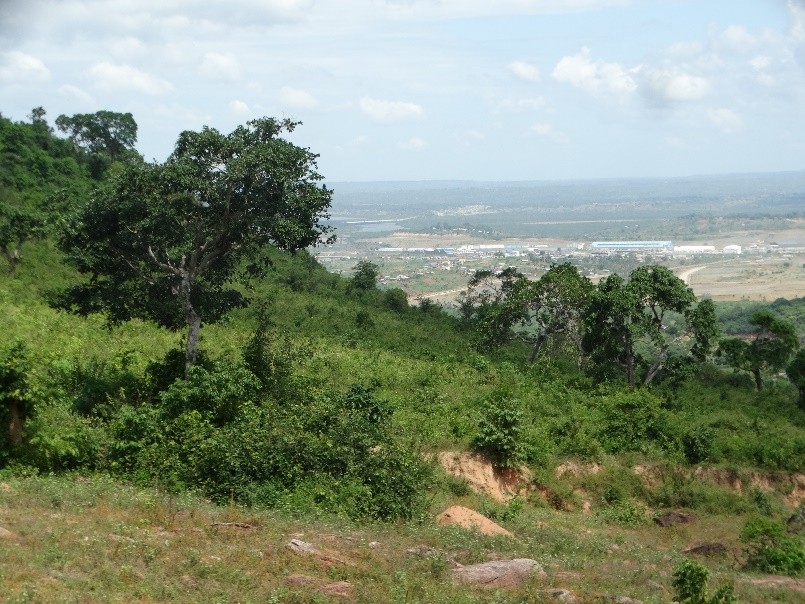
Photo left: Charcoal from the Rabai Kayas being ferried to nearby towns using a motorbike, May 2024, © Muthio Nzau.
Photo right: Urban expansion into the Rabai Kaya Forests, July 2023, © Eric Kioko.
Uncontrolled mining and hollow restoration
Both local and large-scale mining and quarrying operators often ignore environmental safeguards. Widespread vegetation clearance has a detrimental effect on ecosystems, polluting the air and water and endangering community health. It has been alleged that “restored” mining sites are often covered with sparse exotic eucalyptus trees, which offer minimal ecological value.
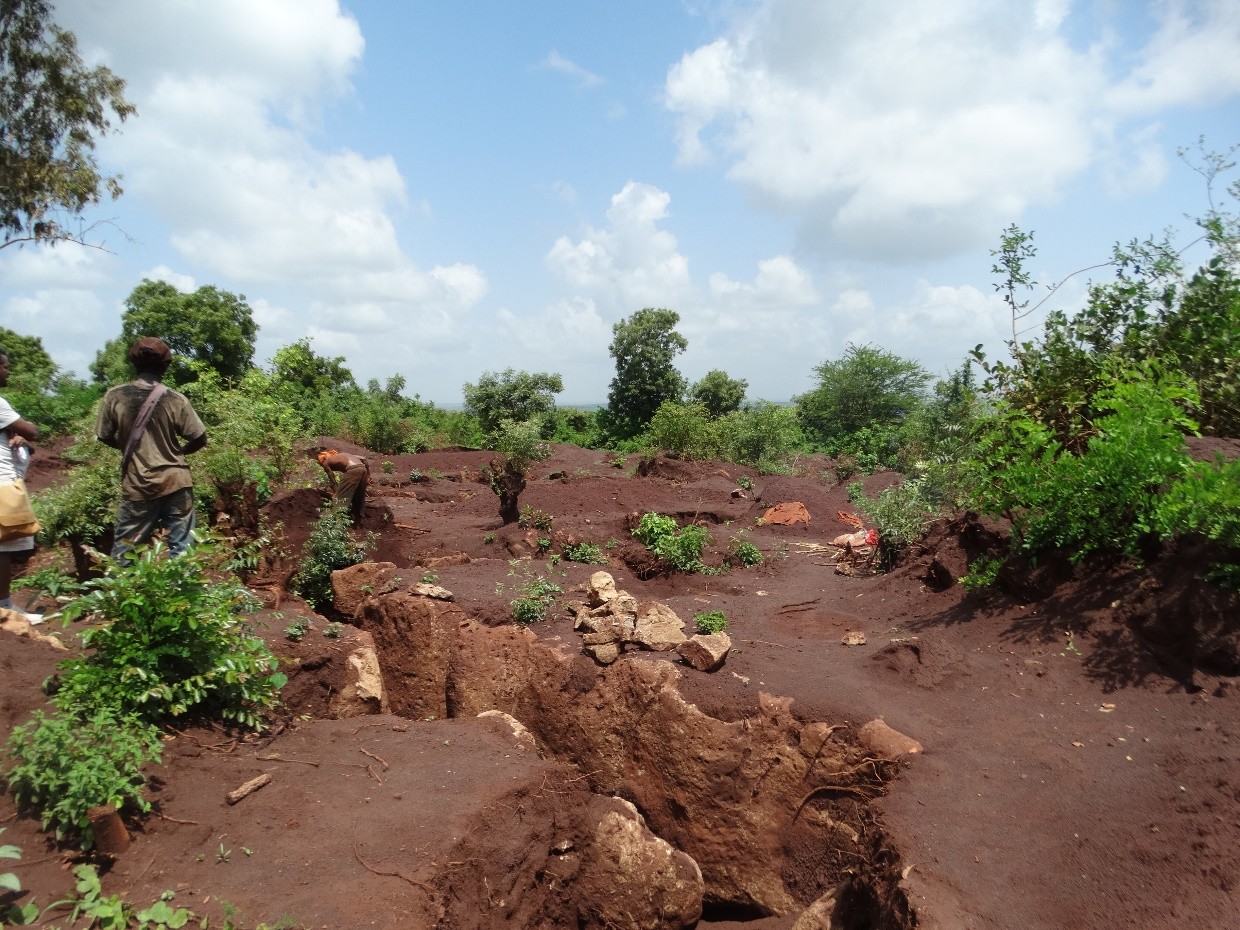
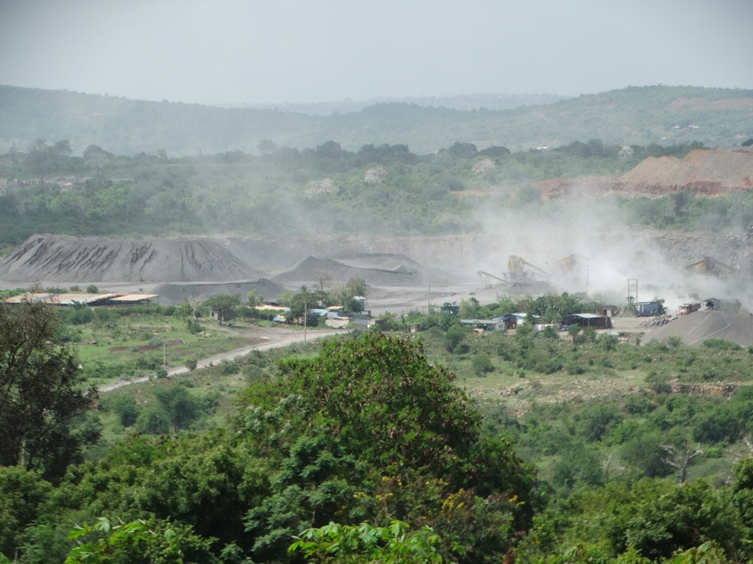
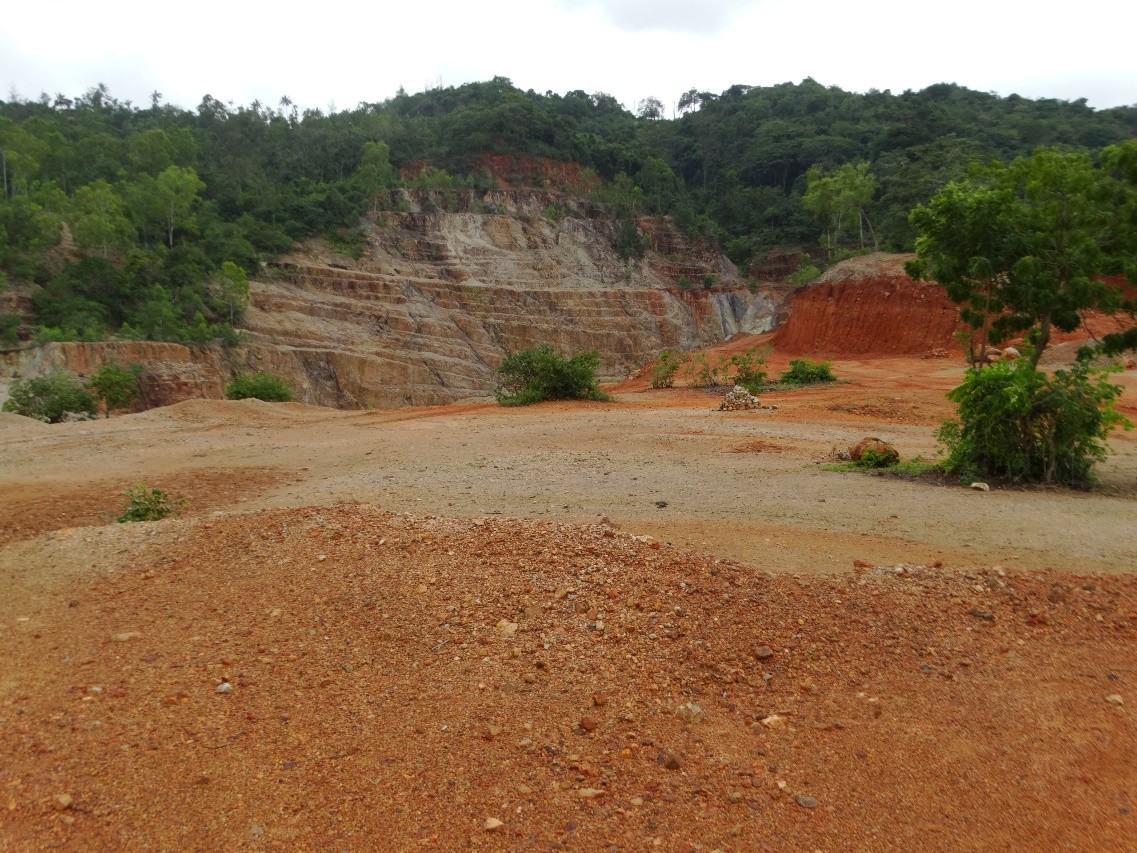
Photo left: Iron-ore mining at the entrance of Kaya Kauma Forest, December 2024, © Muthio Nzau.
Photo center: Ballast quarrying within the Mijikenda Kaya Forest Landscape, December 2024, © Yvonne Githiora.
Photo right : An allegedly restored mining site with sparsely planted exotic eucalyptus trees, July 2024, © Eric Kioko.
Youth, livelihoods, and nature-based solutions
Unemployment among young people continues to contribute significantly to ongoing forest depletion. During the pandemic, many young people who had been employed in urban areas returned to rural villages after losing their jobs. Some of these individuals turned to illegal activities, such as logging and charcoal burning, to survive. Nature-based solutions, including restoring indigenous tree cover and protecting buffer zones, offer the prospect of more resilient communities and healthier forests. Besides, promising livelihood alternatives such as beekeeping and castor oil production exist but all these are constrained by inherent value chain bottlenecks that limit their impact. For example, most community members lack access to affordable financing to start or expand their nature-based businesses. They also lack the capacity to add value to their products and struggle with processing and packaging them. Additionally, they lack access to stable markets.
There are glaring insufficiencies in technical and entrepreneurial skills, and policy and regulatory all of which undermine the sustainability of viable nature-based solutions.
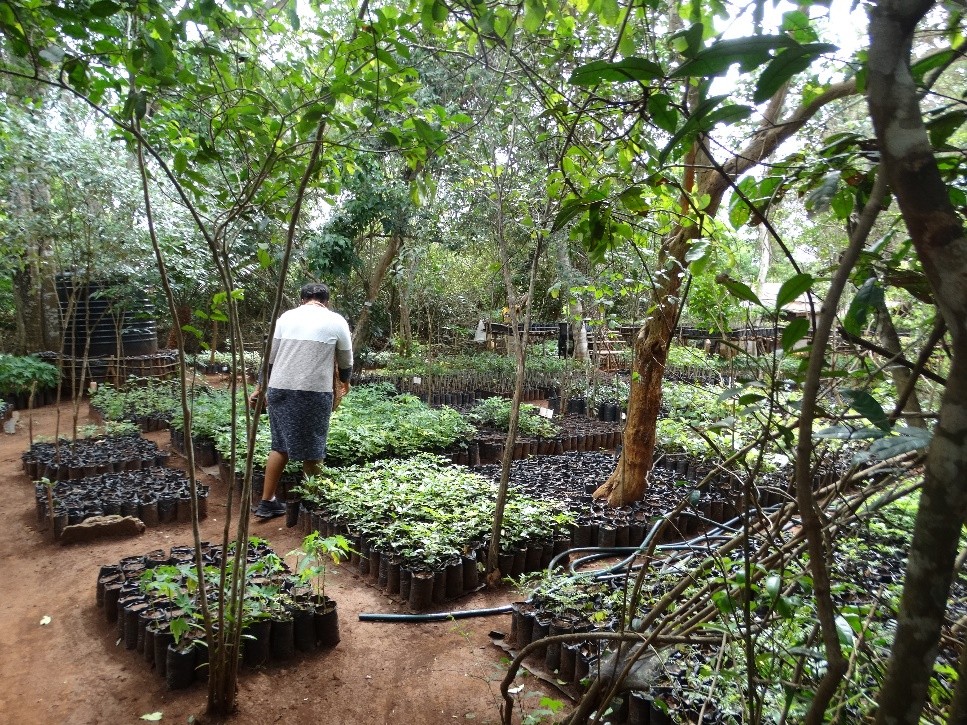
Photo: a community-managed indigenous tree nursery in Kaya Kauma, July 2023, © Eric Kioko.
Looking ahead: towards just conservation
The Sacred Mijikenda Kaya Forests are at a crossroads. Clearly, global recognition alone is insufficient to protect the sacred forests, their local governance, and the conservation culture that are in jeopardy. There is an urgent need for bold action that centers community custodianship, ensures fair benefit-sharing, and addresses the deep structural causes of forest loss. These include energy poverty, overlapping governance, unchecked mining licensing, and weak land tenure security.
Investing in clean energy, fair value chains, community-led conservation, and accountable governance is vital to ensuring ecological integrity and social-cultural survival, which are often inextricably linked.
Background info and credits
This blog post is part of an ongoing research project Local Dynamics and Integration of UNESCO World Heritage Sites of Outstanding Universal Value: Evidence from Cultural Landscapes in Ethiopia and Kenya. The project aims to understand UNESCO World Heritage Sites as “living landscapes” that are shaped and transformed through local dynamics including context-specific socio-economic, cultural, environmental, and political factors. The project is a collaboration between ZEF’s CPC research group, Dilla University in Dilla, South Ethiopia, and Kenyatta University in Nairobi, Kenya.