Peasant Reserve Zones in Colombia: Forest Conservation and Agroecological Transition
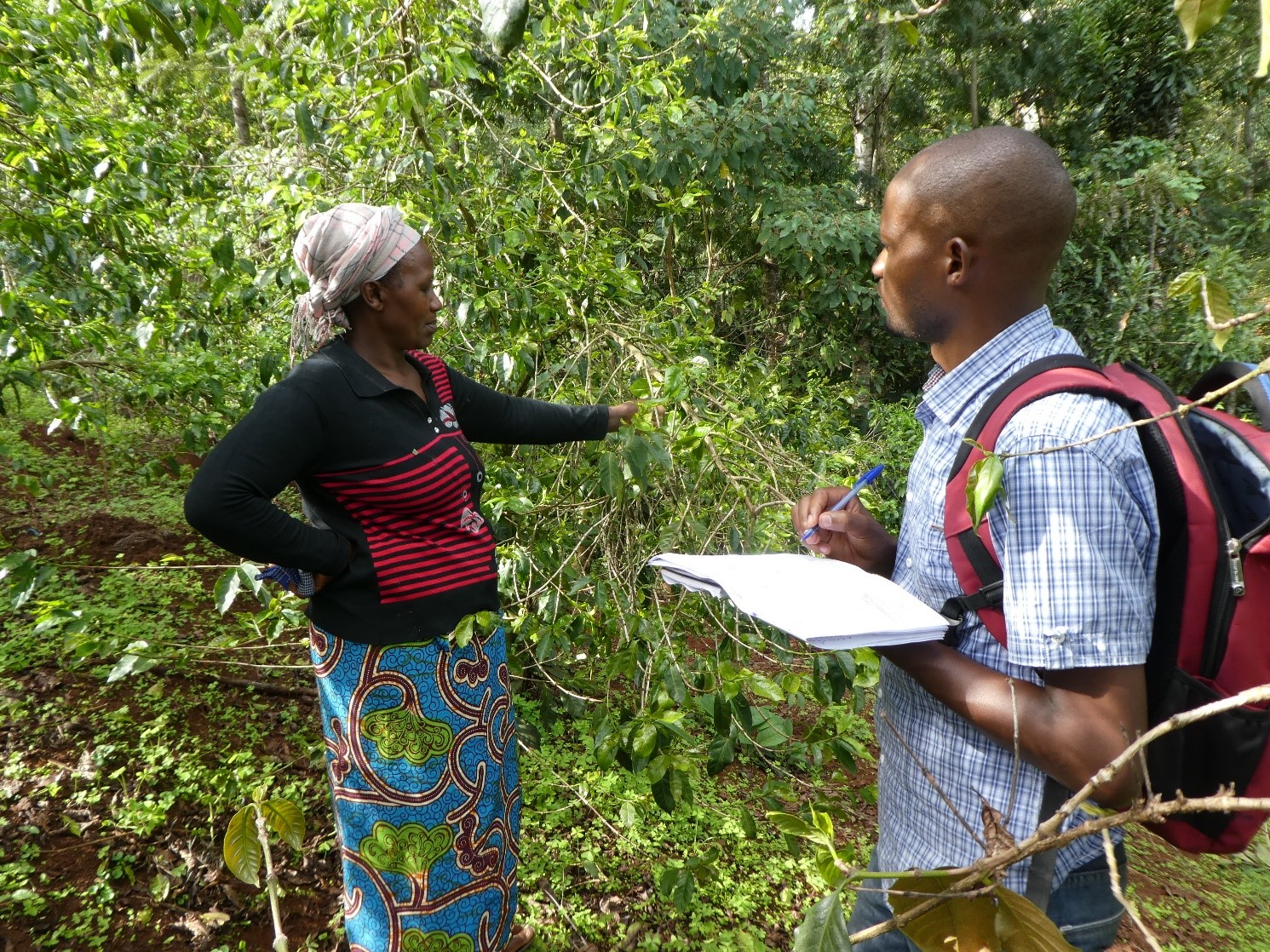
In this blog post ZEF junior researcher Nicolas Lara-Rodriguez shares insights from his research on Peasant Reserve Zones in Colombia. In his research he explores how these Zones protect nature and support rural communities. He also examines the Zones’ impact on deforestation and their potential to be recognized as conservation areas.
Colombia is one of the most biodiverse countries in the world. However, it also has one of the highest levels of land ownership inequality. To combat this, the Colombian government has promoted the establishment of Peasant Reserve Zones as a flagship rural development policy in the early 1990s. These zones aim to improve land access for small-scale farmers, curb deforestation, and promote sustainable agricultural practices.
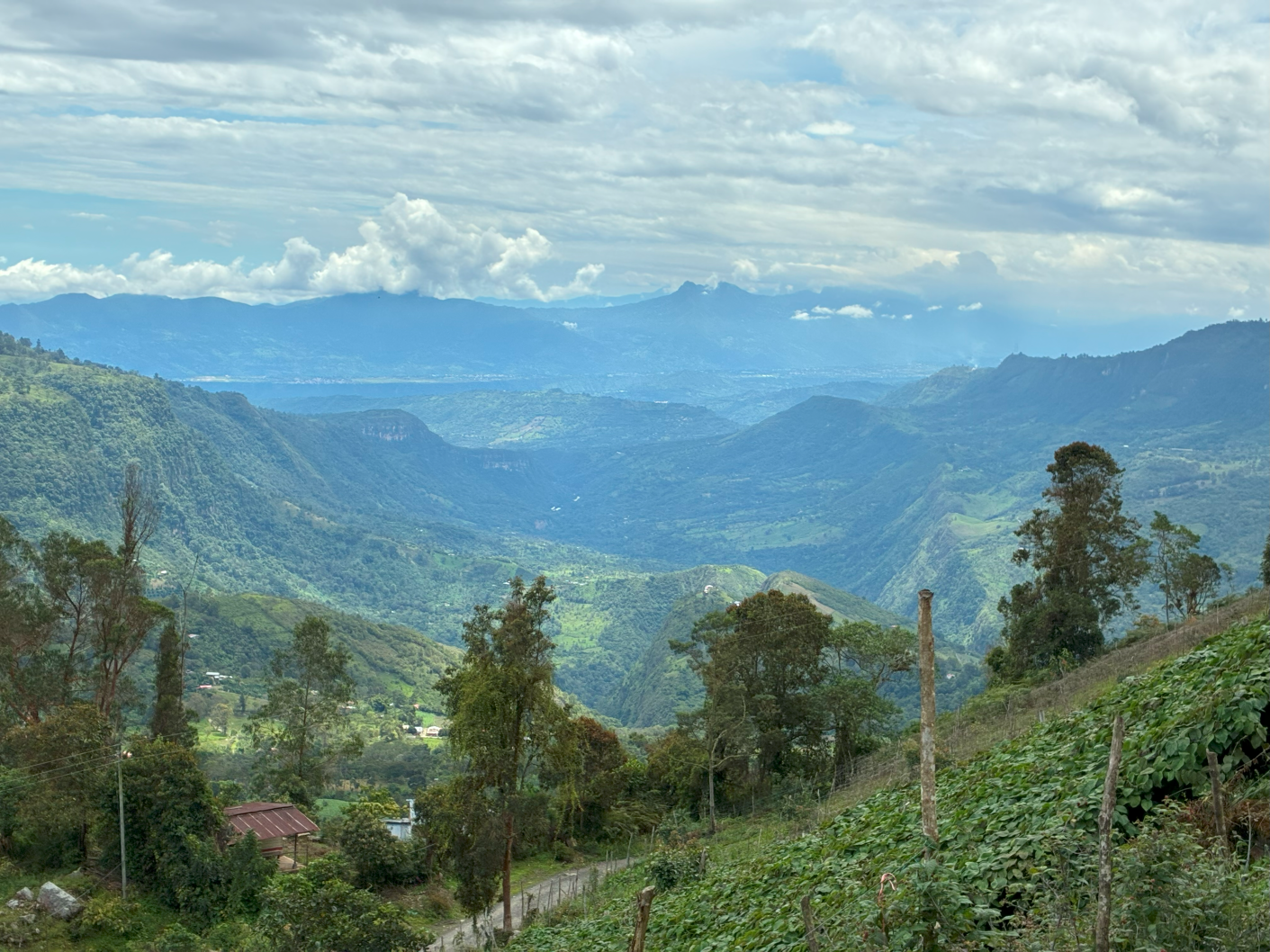
Colombia now has 21 Peasant Reserve Zones, 15 of which have been established in the last three years. One of the most recent was established in 2023 in Venecia, Cundinamarca, located around 110 kilometers southwest of Bogota. Spanning 8,100 hectares, it is home to approximately 250 peasant families. Nearly 75% of the area is covered by high Andean forest. Once severely affected by logging and political violence, Venecia is now striving to become a model of sustainable, community-led development.
Peasant Reserve Zones: Reclaiming Territory through Self-Governance
“We don’t need the state to tell us how to do it. We’ve lived here our whole lives and know the strengths of our territory, how to organize it, and how to take care of it.”
Farmer in Venecia.
Colombia’s Peasant Reserve Zones are typically located in areas with a long history of armed conflict and state neglect. In this setting, communities developed their own systems of governance and social norms for coexistence. Today, these experiences form the foundation for rural development and environmental conservation. Although the Peasant Reserve Zone in Venecia was recently established, it has already strengthened grassroots organizations. The Association for Management, Unity, and Action (AGUA) Campesina now coordinates the participation of all local community councils in territorial governance.
Forest protection
One of Venecia’s most notable features is its long-standing commitment to forest conservation. Despite decades of external pressures, only 3% of its forest cover has been lost in the last 38 years. This success is not the result of external enforcement but rather collective action rooted in the understanding that forests are vital to life.
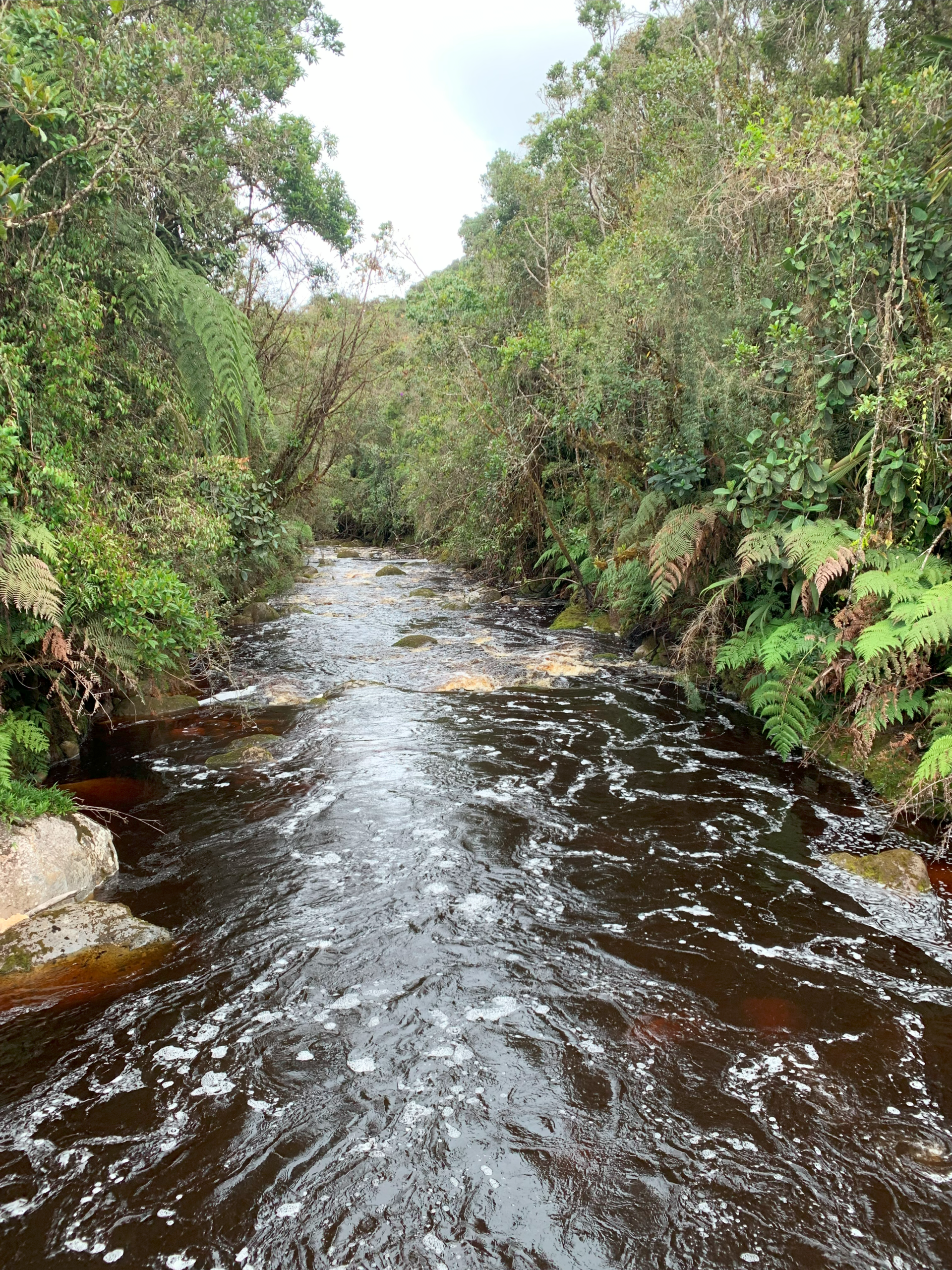
“We have a water factory right here in this area… That’s why we fight against deforestation. If we don’t protect it, we lose our water.”
Farmer in Venecia
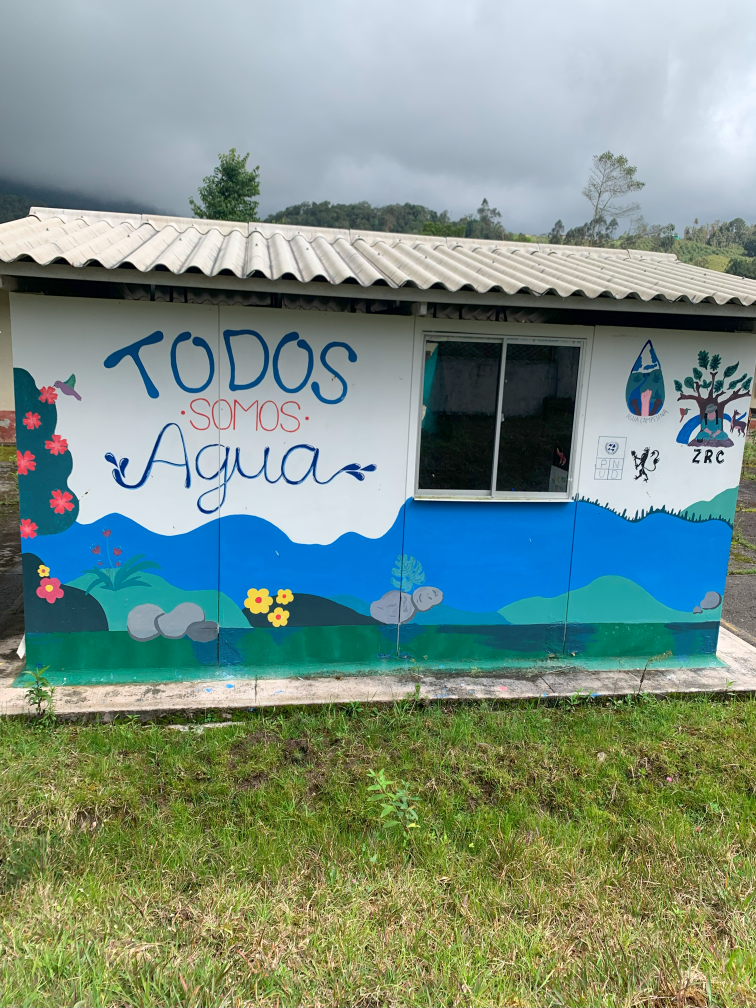
This conservation ethic is formalized in Community Conservation Agreements, which are part of a Sustainable Development Plan for the Peasant Reserve Zone. This Sustainable Development Plan is the main guiding document for territorial governance. One agreement reads:
“The upper forests and mountains that have barely been touched must not be cleared or exploited by anyone. All that land should be managed by the communities and their organizations for protection and conservation.”
Agreement No. 1, Venecia Peasant Reserve Zone
Still, challenges remain. While many residents are aware of these agreements, around 23% of the families do not yet know about them. Furthermore, there are no formal environmental monitoring protocols in place in the zone, and water quality data is not systematically collected. Community members have acknowledged the urgent need for institutional monitoring systems and formal recognition of existing conservation rules in their development plan. They argue that the future of the forest depends on this next step.
Agrotoxins and the Challenge of Transitioning to Agroecology
“We, as peasants, have realized that agrochemicals are damaging the soil and our health.”
Farmer, Venecia
Although the forest has been well preserved, the use of agrotoxins remains a significant concern. Most families in Venecia depend on small-scale cultivation of crops such as blueberries, lulo, and tomate de árbol to make a living. Dependence on chemical inputs has caused environmental damage and health risks over time.
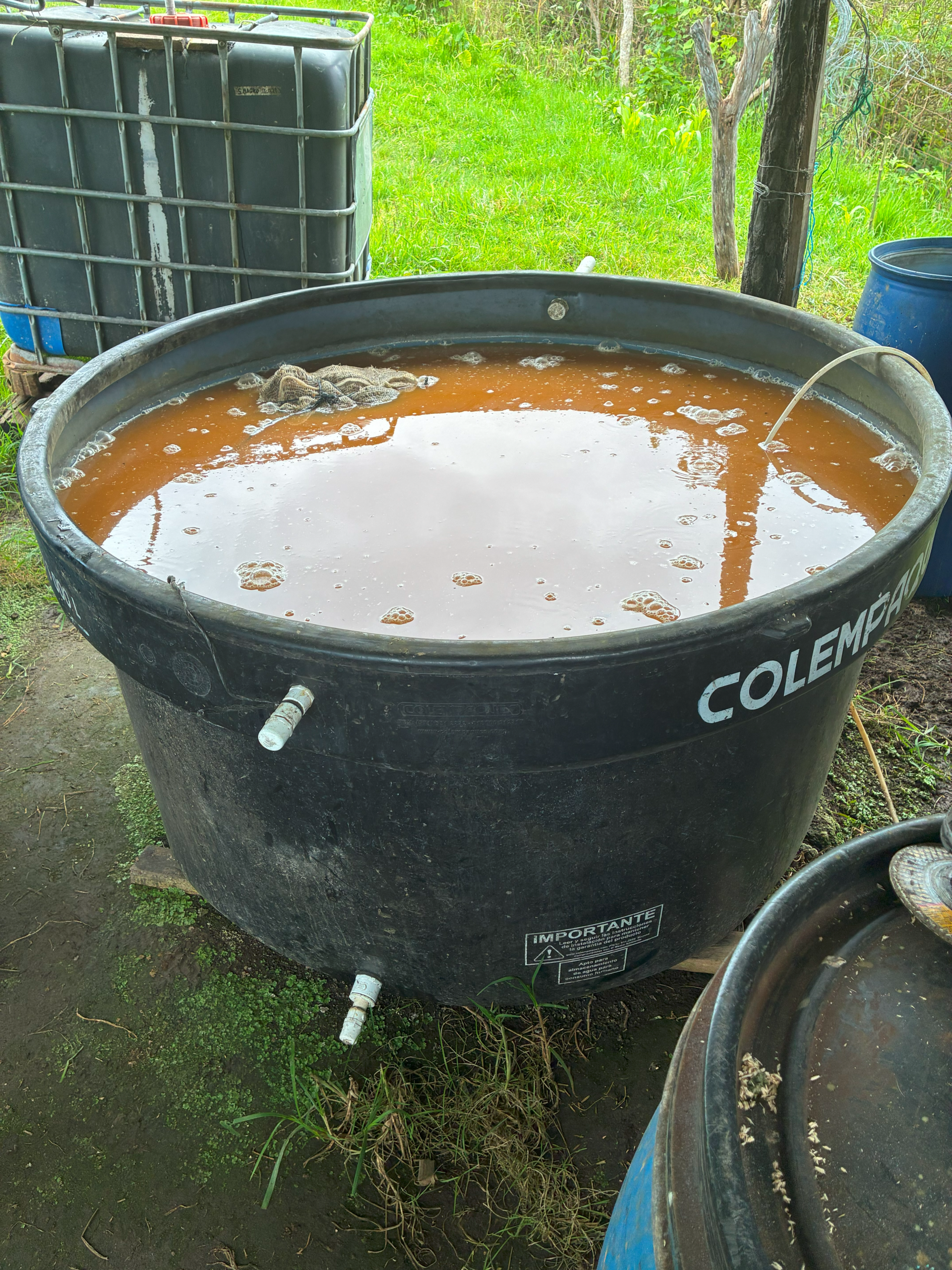
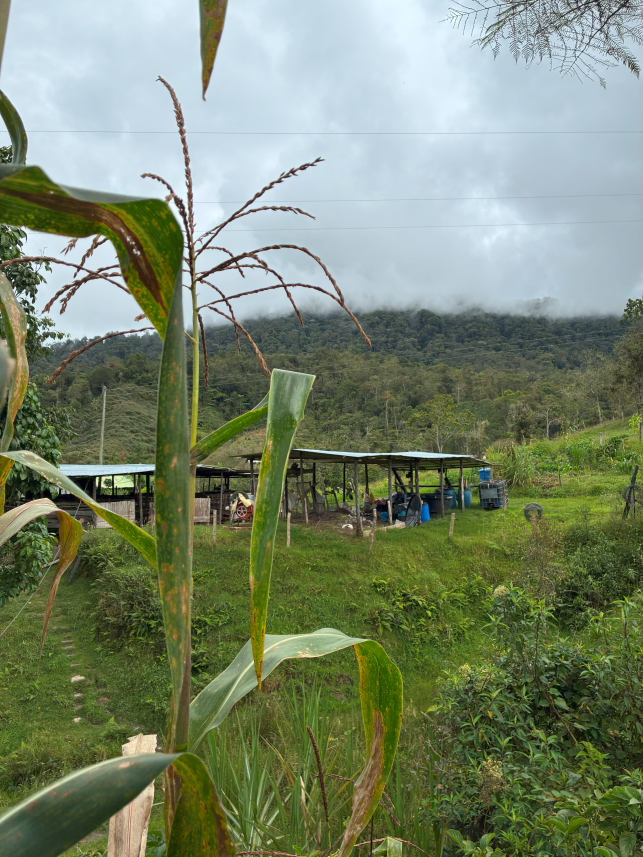
The community is growing increasingly interested in clean, poison-free agriculture. Some farmers have begun experimenting with biofertilizers, and initiatives promoting agroecology are emerging. However, these efforts are still small-scale and face challenges such as a lack of technical support, access to markets, and training opportunities.
“Our goal is to sell clean food and stop using poison. We want to make this transition gradually, but going fully organic is difficult. It’s a process. Out of 50 people who sign up for training, maybe only three will follow through.”
Farmer, Venecia
Fieldwork revealed that community organization is one of Venecia’s key strengths. AGUA Campesina is a strong, diverse, and open organization. Local leaders are driving the shift toward sustainable farming and territorial management. Their work demonstrates the ability of organized rural communities to protect biodiversity, improve food security, and rebuild the social fabric, even in areas affected by conflict and neglect.