From a Village Well to Global Policy: Rethinking Groundwater Governance
Groundwater is more than just a hidden resource; it is also a source of power, inequality, and survival. This article explores everyday village realities to demonstrate that groundwater governance encompasses more than just water management. It is also about justice, livelihoods, and who pays the cost of conservation in a changing climate.
“Water decides everything.” A farmer once told me, standing beside his drying well.
His words stayed with me. In that village, groundwater was not just a resource—it was dignity, survival, and power.
My work on global-to-local groundwater irrigation and governance reflects these realities. Across rural landscapes, pumps and wells have transformed agriculture, providing security for some and vulnerability for others. While groundwater irrigation made farming more reliable, it also created new dependencies, inequalities, and forms of control.
Groundwater: more than a natural resource
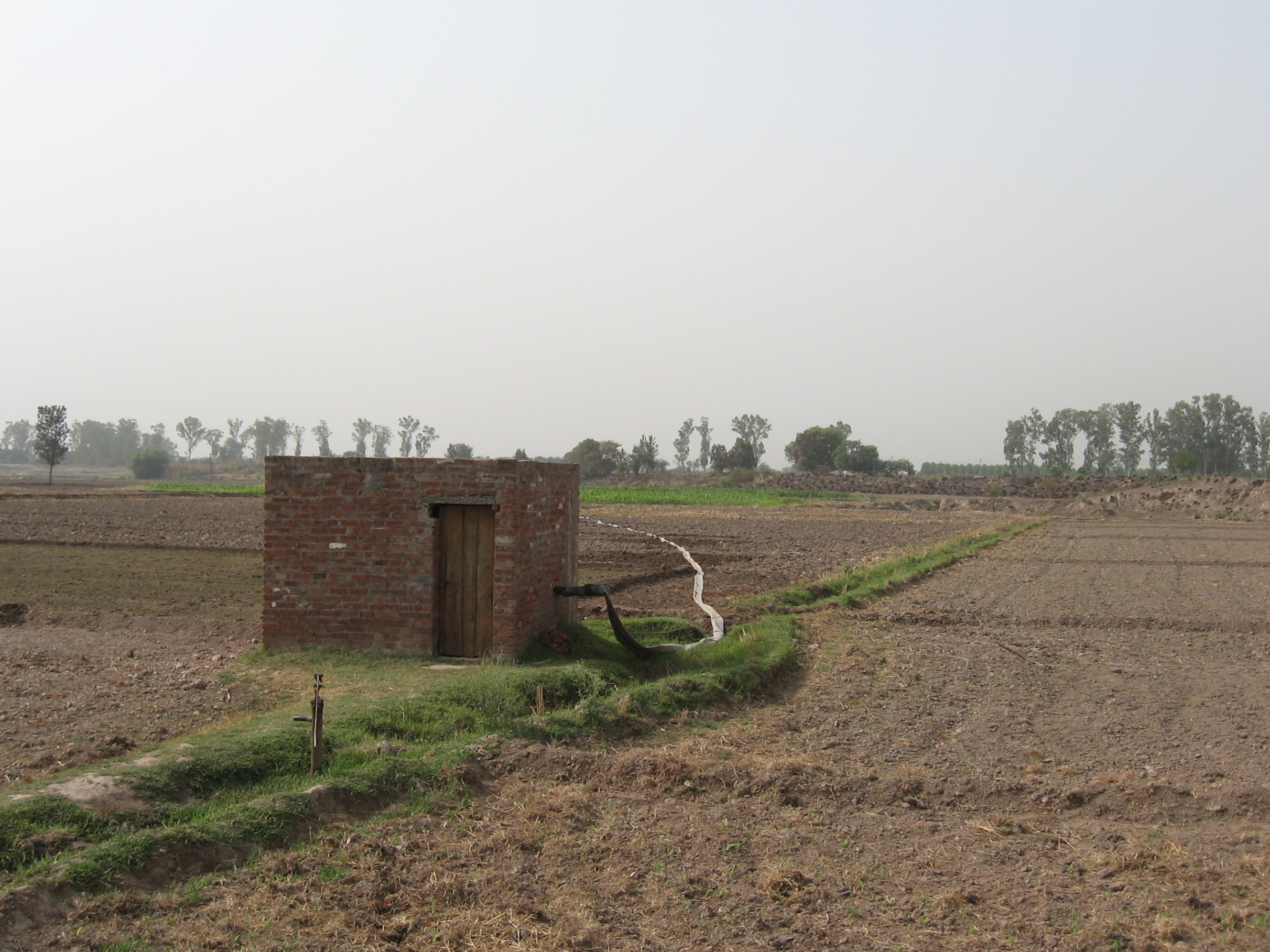
Those who own wells sell water. Those who do not buy it. Over time, water becomes a source of power, and access becomes privilege. Who controls water is determined by land, technology, energy, and capital, forcing others to depend on them for irrigation. Climate change exacerbates this divide as rainfall becomes uncertain and groundwater becomes the main source of security.
From global policy debates to village fields, groundwater tells the same story: sustainability is about protecting both aquifers and people. Governing groundwater means managing not only water, but also inequality, resilience, and justice.
Future research must focus on real-time groundwater monitoring, climate resilience, and the socio-economic impacts of groundwater policies, especially on smallholder farmers and women. Artificial recharge, precision irrigation, and economic incentives, such as water pricing, can support sustainability, but only if they are socially just.
Governance, legal issues and justice
Many believe that groundwater governance is impossible because farmers dig illegal wells and use subsidized electricity. This ignores the deeper ethical dilemma: why should farmers give up income in order to conserve a resource for the future?
“What good will it do to me if I keep the water under the ground?”
One farmer asked me.
We expect farmers to make sacrifices, yet rarely ask the same of wealthier citizens. What is legally correct is not always politically acceptable, and what is politically acceptable is not always socially just. Policy imagination is trapped in deep path dependencies between irrigation, agriculture, and electricity policy in the intensively irrigated regions of the Global South. In the long run, demand-side management is unavoidable if groundwater extraction is to decline.
If leaving water underground is truly better for the future, the real question is not whether farmers will conserve, but rather, who will be willing to pay for that conservation.
Anindita Sarkar
Groundwater as a social system
Therefore, groundwater is not only a physical substance stored in aquifers; it is also a social system shaped by power, institutions, history, and inequality. Farmers do more than simply extract water; they negotiate access to it, their dependence on it, and their survival through it. These everyday negotiations determine who can plant crops on time, who can invest in them, and who is forced to leave farming altogether. Climate change intensifies all of these pressures, making groundwater both a lifeline and a long-term risk.
Main take-aways
- Without shared responsibility, fair incentives, and collective commitment, conservation efforts will always fail.
- Governance will only work when societies recognize that groundwater is not free water from underground but a shared future above ground.
- A sustainable future for groundwater depends on justice, trust, and collective responsibility.
- The future of groundwater depends on courage, ethics, and responsibility.

Author
Anindita Sarkar is a senior researcher at the Center for Development Research (ZEF), University of Bonn, Bonn, Germany.
Contact: anindita@uni-bonn.de
Photos
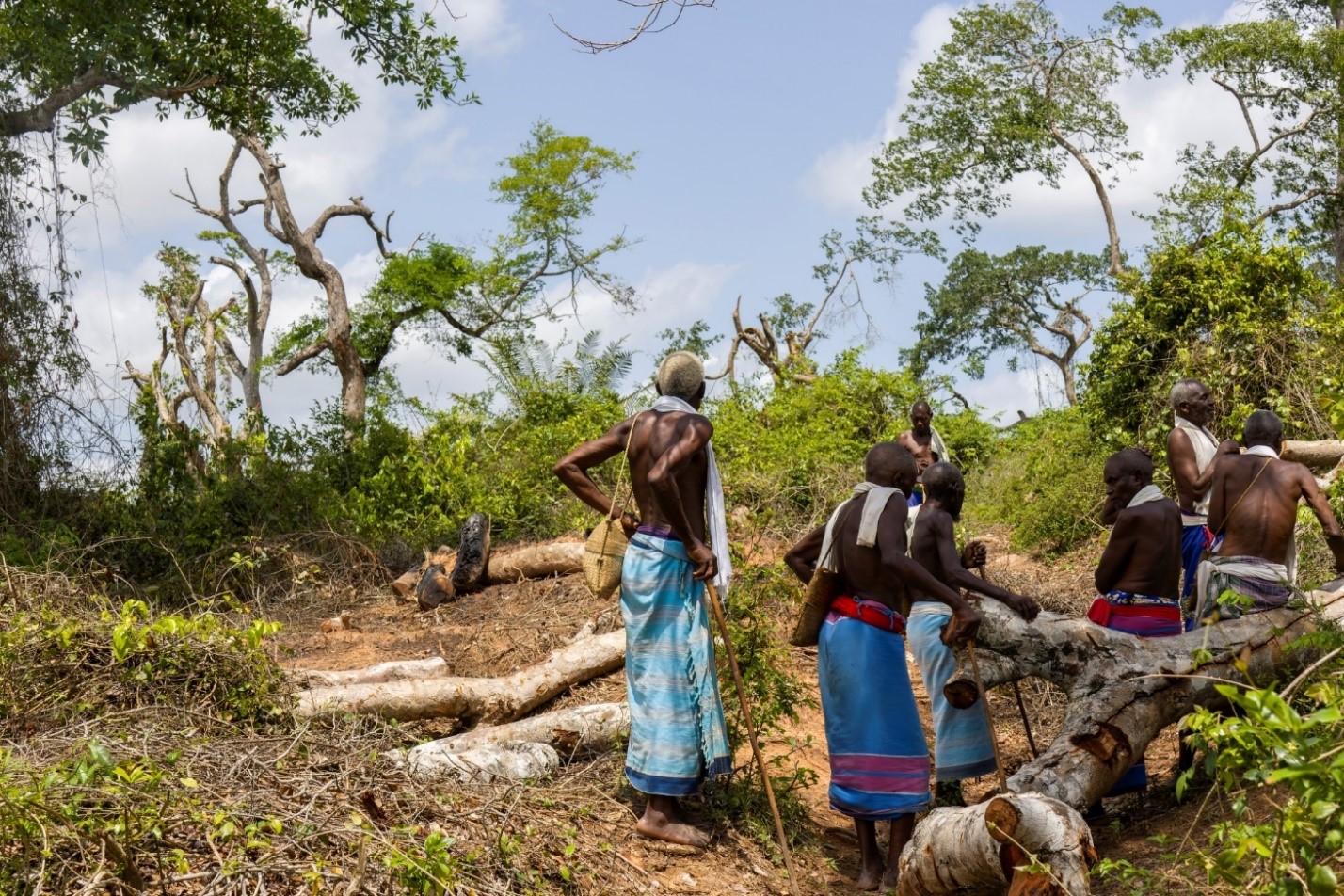
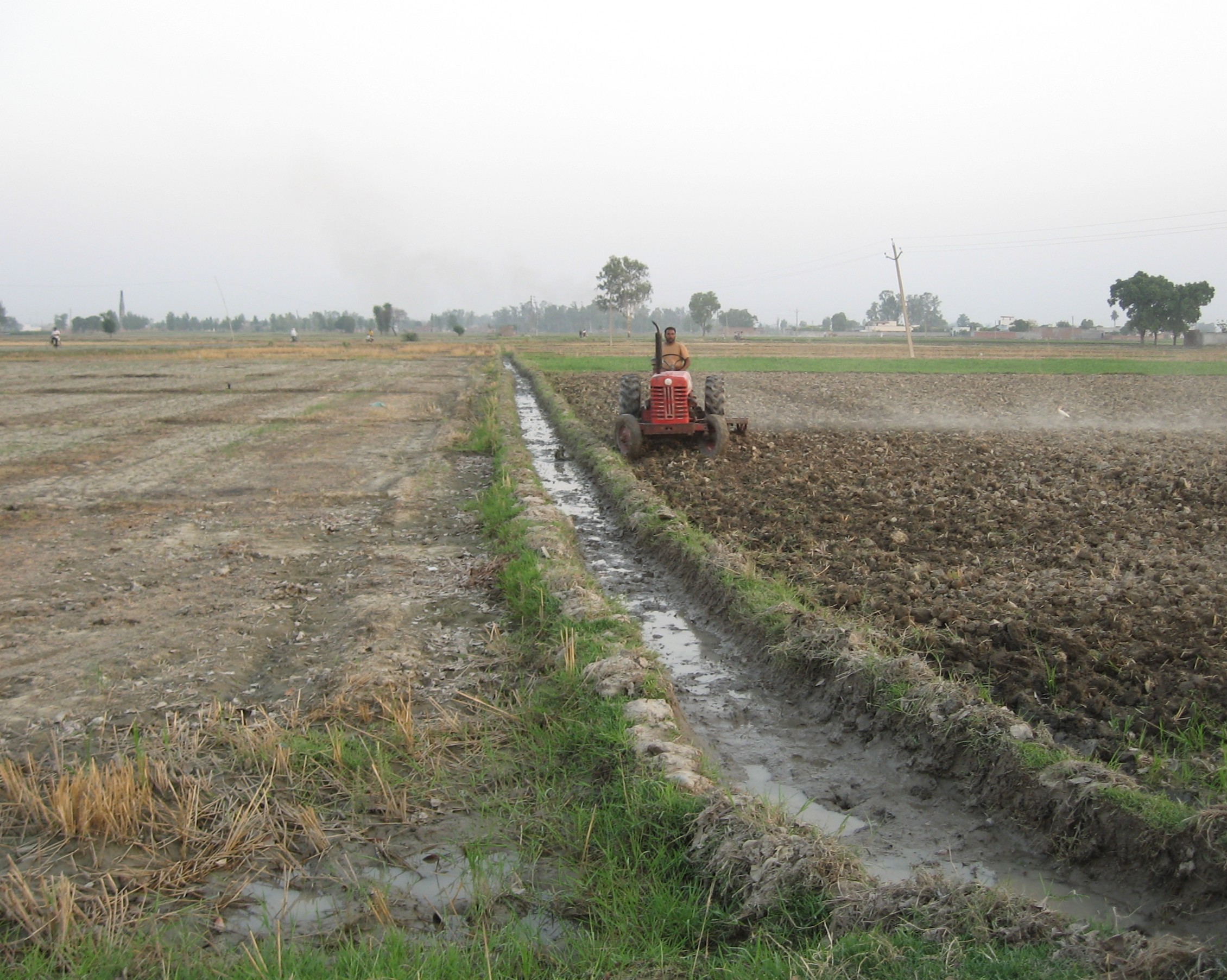
Photos were taken by author. First two photos show rural scenes in Punjab, India. The last photo was taken in Gujarat, India.