When Nature Protects People: Can community-managed protected areas improve nutrition and health in Somaliland?
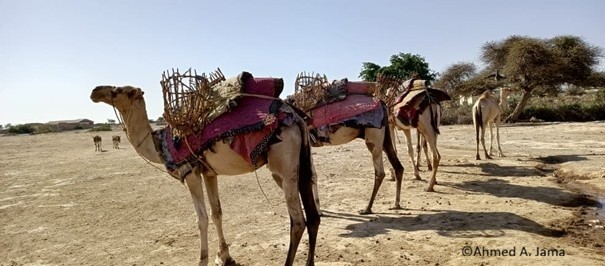
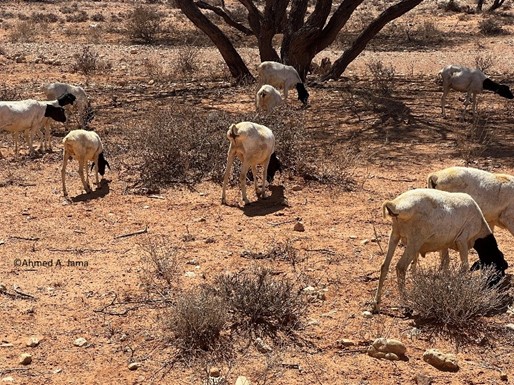
In Somaliland’s arid rangelands, goats, sheep, and camels are essential to the livelihood of entire families. They provide milk and meat and generate income when sold. However, droughts, floods, and runoff rainwater have become more frequent and severe in recent decades.
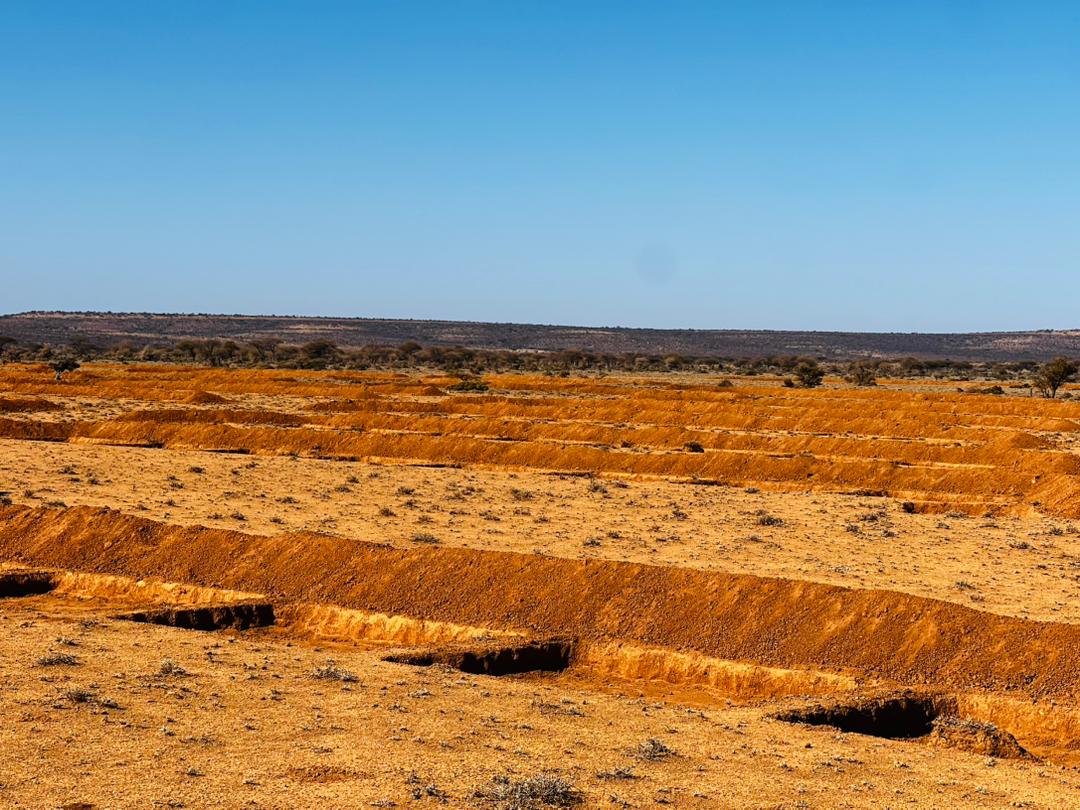
Pastoral and agro-pastoral families have experienced that the rains no longer follow the seasonal calendar, which causes early pasture depletion. This weakens the animals, reduces milk production, and harms young children who rely on milk for nutrition. At the same time, small, community-managed protected areas are emerging to restore vegetation and combat land degradation. While such areas improve environments and incomes globally, restricted access to protected areas may pose challenges to livestock mobility and traditional grazing practices in mobile pastoral systems like those in Somaliland.
PASTURES study: food and nutrition security around protected areas
This was the starting point for a new collaborative project. The ZEF-led PASTURES study tests whether protected areas improve food security and child nutrition and how they affect the lives and livelihoods of pastoral and agro-pastoral families. The project is conducted in close collaboration with Welthungerhilfe, one of Germany’s largest private aid organizations, which has extensive experience implementing projects in the region. For over a decade, Welthungerhilfe has established community-managed protected areas in Somaliland and Somalia, primarily to sustain pastoral livelihoods.
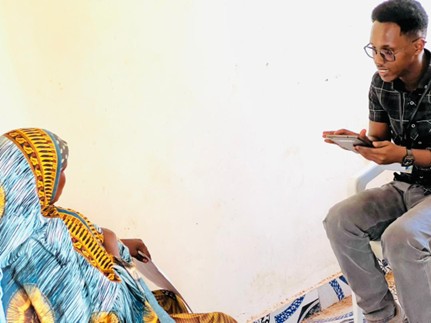
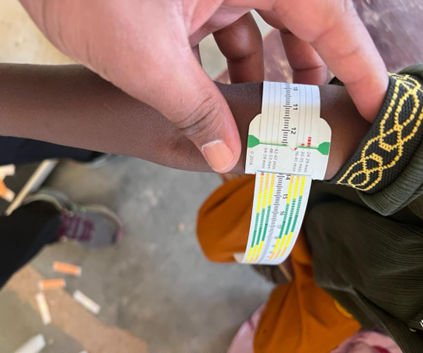
We are tracking 600 mother-child pairs. Half live in the vicinity of newly established protected areas and the other half live in control villages without exposure to protected areas. We are conducting baseline visits to assess incomes, food security, diets, and the nutritional and health status of mothers and children. Two years after project implementation, we will revisit the same households to document changes and differences between the control and intervention villages. Additionally, we are inviting village members to participate in impact mapping activities and ask questions such as “What effects have you seen? How have protected areas changed your activities, income, and diet? How can the project be improved?”
Giving (agro-)pastoral communities a voice
This approach amplifies the voices of pastoral and agro-pastoral populations that are often overlooked in conservation research. It also takes up their perspectives to determine how to plan protected areas to maximize benefits for people. Our hypothesis? Protected areas support rangeland regeneration, stabilize milk production, and provide buffers against drought. With our results, we will reach out to policymakers and regional stakeholders to discuss scaling potential and pathways. Conservation initiatives must align with herders’ realities and not harm them. When communities lead the implementation, protected areas can protect herds and children.
Author
Ahmed A. Jama is a junior research with the ZEF HEALTH division. Contact: ajama@uni-bonn.de
Cooperation partner
This research is conducted in close collaboration with Welthungerhilfe.
More info
Read more about the PASTURES project on ZEF’s website here.
Photos
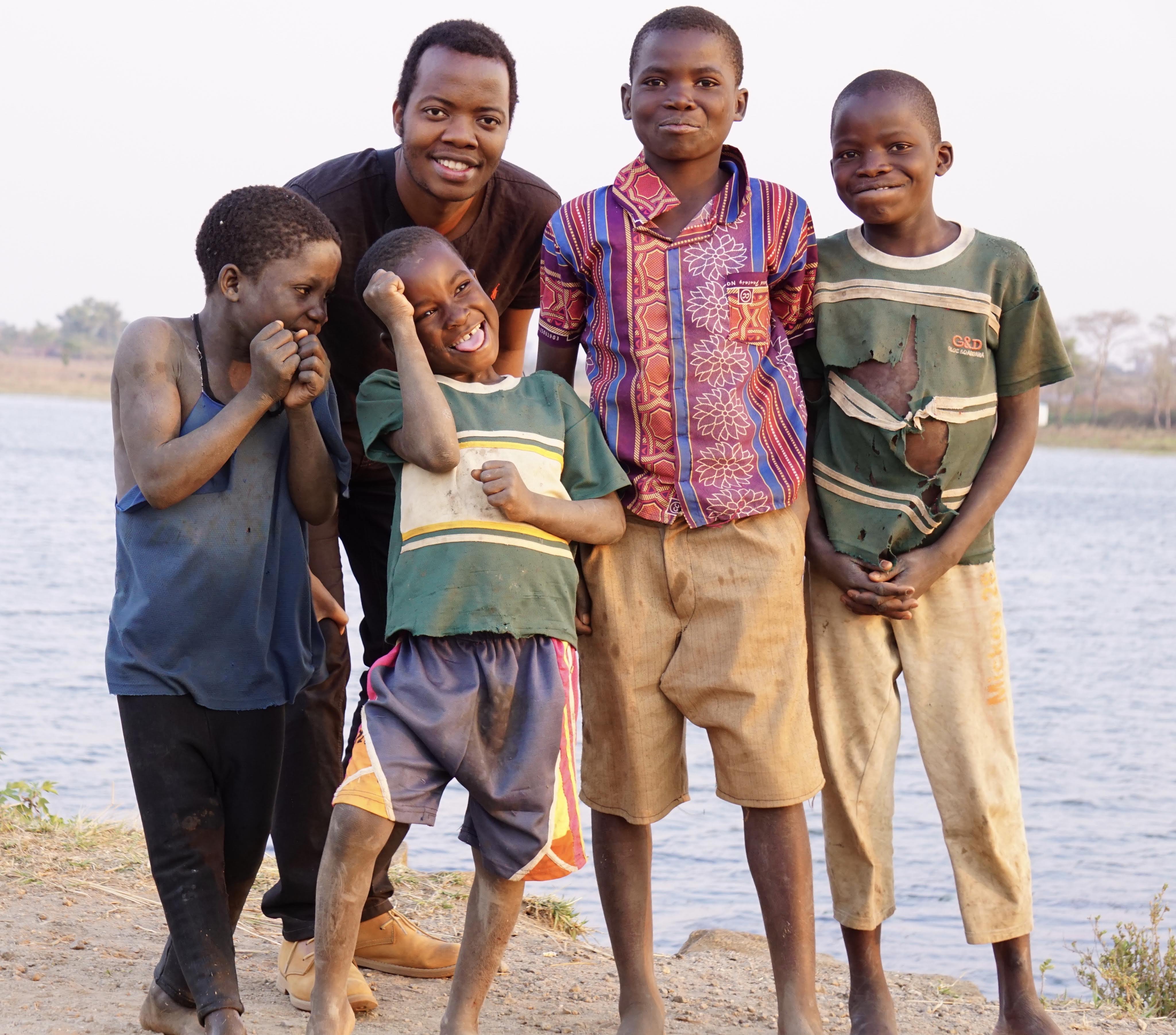
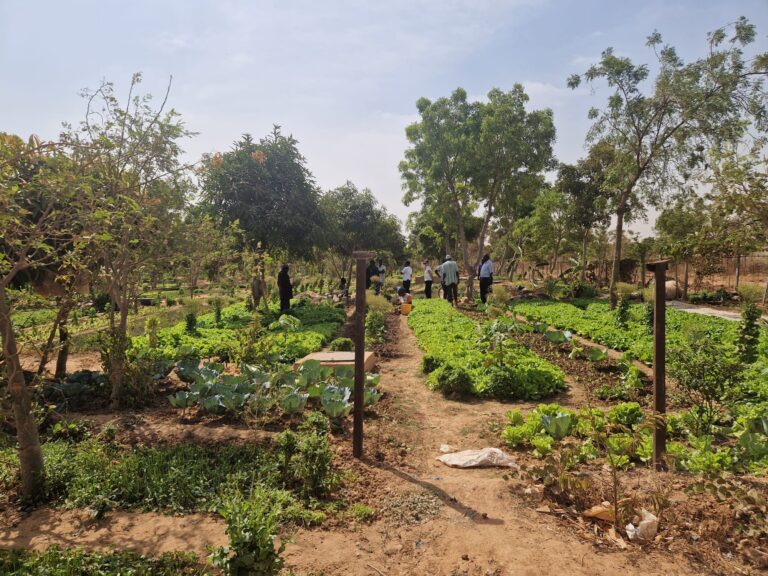
Photos in this blog were taken by Ahmed Jama and his team during field research in Somaliland.