Strengthening Stakeholders’ Capacities and Behavioral Change for Sustainable Land Management: The INTERFACES Approach
Considering the severe impacts of climate change, rising land degradation and low soil fertility on yields, productivity and livelihoods, promoting and implementing sustainable land management in Africa is highly critical for smallholder agriculture on the continent. For this reason, the German Federal Ministry of Research, Technology and Space (BMFTR) platform Research for Sustainability seeks to address the challenges associated with land management in Africa’s vulnerable smallholder agricultural systems and improve livelihoods through local research.
Given the complexity of the underlying factors and competing stakeholders’ interests and preferences, promoting sustainable land management requires participatory and multistakeholder processes. The ZEF-led INTERFACES project, which has been funded by the BMFTR from 2022 to 2026, recognized this. Consequently, the project adopted transdisciplinary, implementation- and impact-oriented approaches to strengthen the capacities and behavioral changes needed to achieve sustainable land management among diverse stakeholders in Africa’s agricultural system.
The role of Participatory Learning Platforms (PLP)
The INTERFACES processes began with a rigorous stakeholder analysis to help understand and identify relevant stakeholders. This analysis led to the establishment of a Participatory Learning Platform (PLP) in northern Ghana in November 2023. The Ghanaian PLP consists of 25 stakeholders from the Ministry of Food and Agriculture, the Ministry of Gender, Children and Social Protection, the Northern Regional Land Secretariat, farmer-based organizations, input dealers’ associations, academia and research institutions, traditional authorities, minority groups (e.g., the Fulbe community), and an international development organization (GIZ). The PLP was established as a means of facilitating continuous knowledge exchange, co-producing context-relevant solutions, and scaling up research findings and innovations from regional projects (COINS and DecLaRe), which are funded by the BMFTR.
After establishing the PLP, we adopted social learning, joint reflection, and co-development of a gender-responsive theory of change to engage stakeholders in multiple annual workshops. This process allowed stakeholders and researchers to better understand the project settings through the lived experiences of various stakeholders, particularly women and marginalized groups. This contributed to the development of context-relevant, gender-sensitive solutions. Additionally, field visits to demonstration sites of regional projects, training on gender-transformative approaches and Ghana’s Land Act of 2020, and funding the PLP to organize collaborative workshops with civil society organizations working in agriculture and land-related sectors in northern Ghana contributed to strengthening the INTERFACES approach.
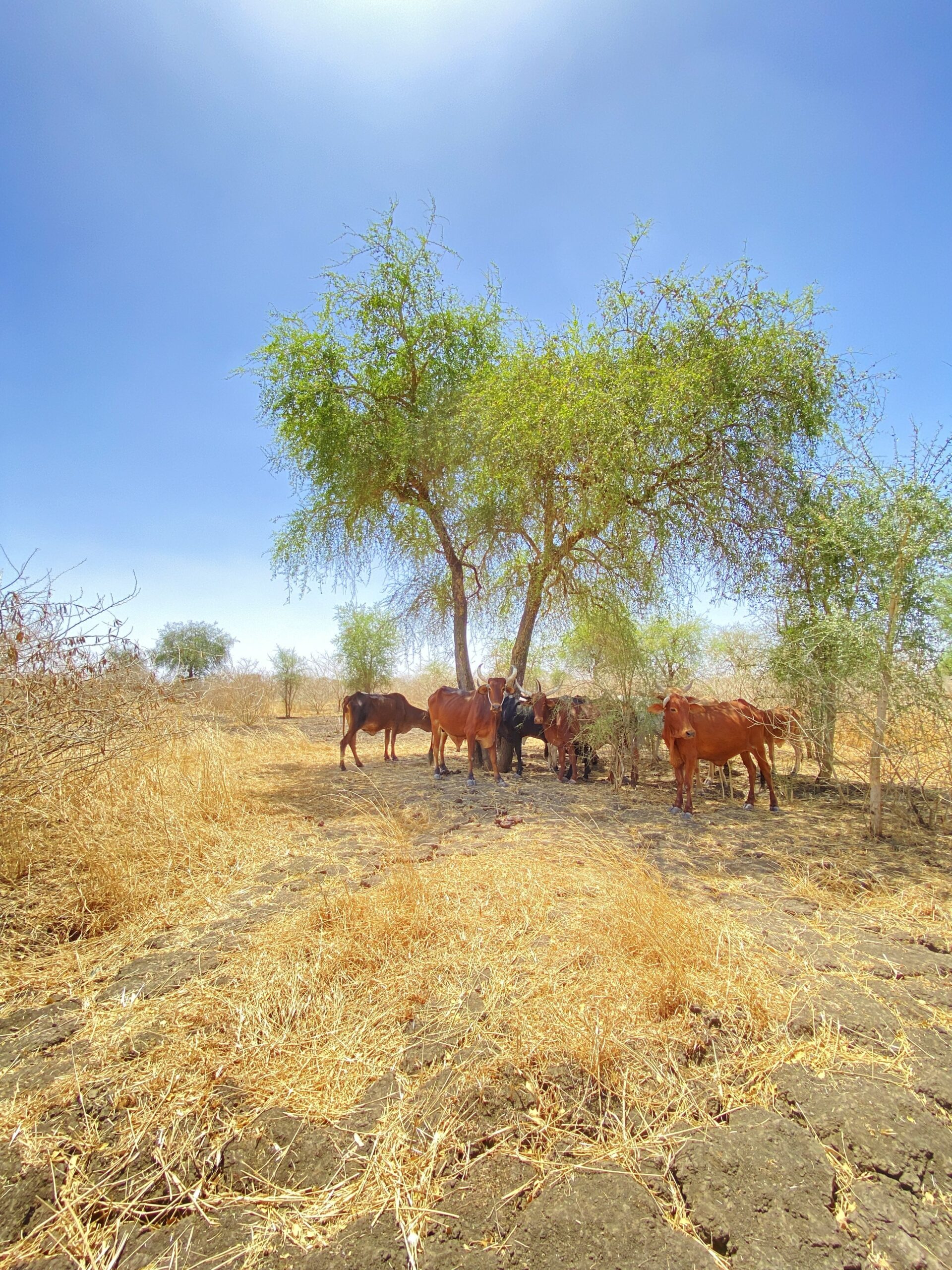
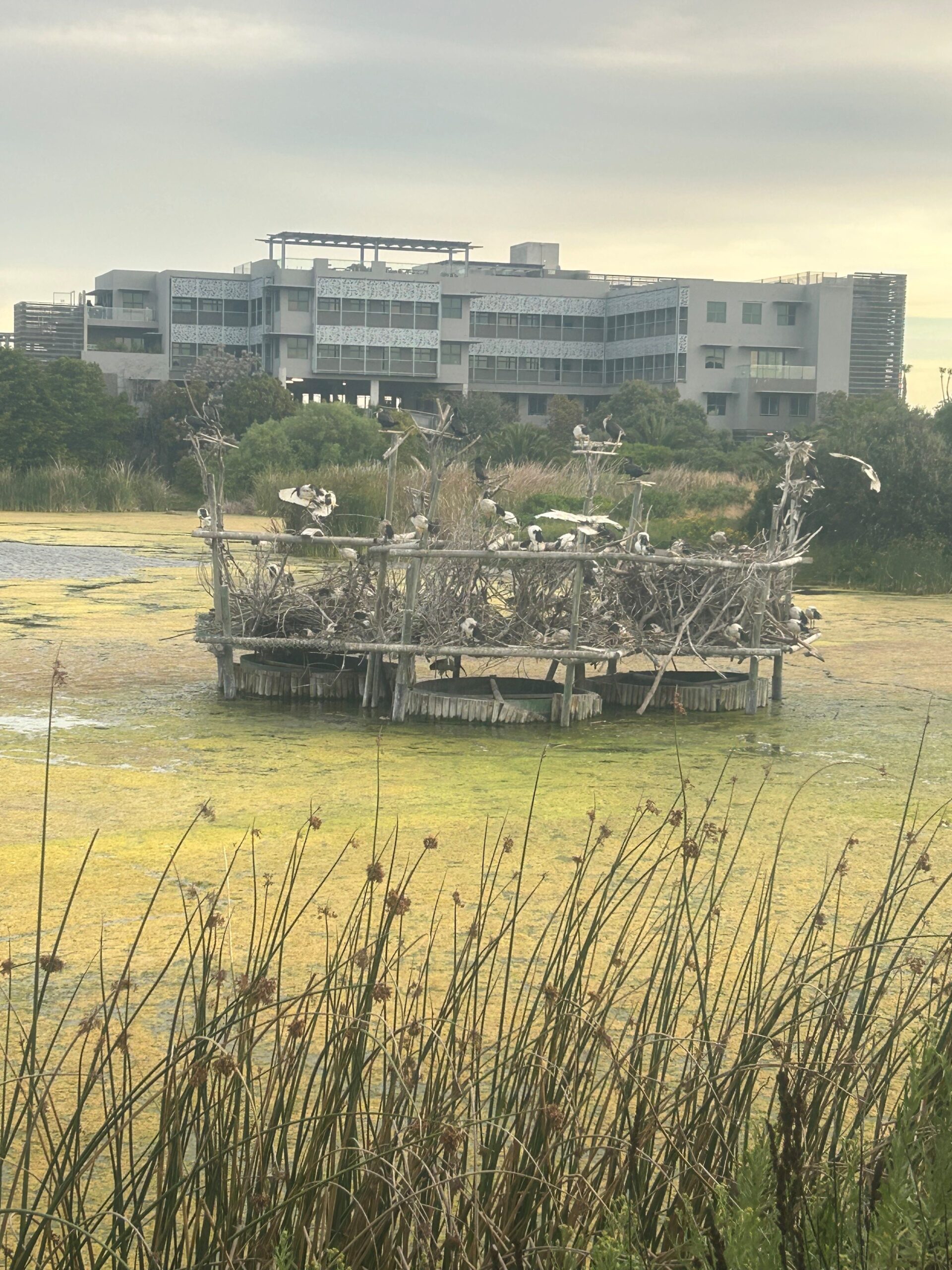
Photo left: Rural scenery in Sudan (c) Fatima Ali Photo right: Birds in South Africa (c) Peter Asare-Nuamah
Making an impact
Lessons from over two years of engagement with the PLP in Ghana show that, while the diversity of stakeholders offered rich perspectives for co-developing context-relevant solutions, the engagement processes created a conducive, democratic space for building trusting relationships, which served as the foundation for fruitful collaboration. The INTERFACES PLP processes have enhanced stakeholder capacities and substantially strengthened behavioral change, leading to new practices. Stakeholder reports reveal that institutional projects are currently designed and implemented by actively integrating gender and intersectional perspectives, thanks to their active participation in the PLP processes. Similarly, the PLP has promoted the fusion of ideas across sectors, leading to the collaborative development of proposals and projects among diverse stakeholders within the platform.
For example, the Northern Development Authority is collaborating with the Fulbe community with funding from the African Development Bank to empower Fulbe women and address issues related to milk loss. Additionally, the Ministry of Gender, in collaboration with the traditional authority, is building women’s capacity in land tenure and rights, which are crucial for sustainable land management. These cross-collaborations within the PLP enhance the sustainability of the INTERFACES project.
Researchers have learned, too.
The PLP has provided researchers with valuable experience in developing projects with local stakeholders to increase impact and outreach. One natural scientist remarked, “I always thought only economists applied the theory of change. I never knew I could apply it to my work, too. After participating in the PLP, I learned how to develop and integrate a theory of change into my research”.
For our current project, we adopted the theory of change approach, which allowed us to identify women and other groups, understand their challenges, and learn about their preferences before implementing the project. Despite the positive lessons from the INTERFACES approach, we emphasize that building trusting relationships for change takes time. It requires adapting to local priorities and contexts, facilitating skills, and engaging continuously with stakeholders, which makes the process resource-demanding. To advance impact-oriented research, research funding must be flexible and adaptable to local realities as local actors engage in and play key roles in the research process.
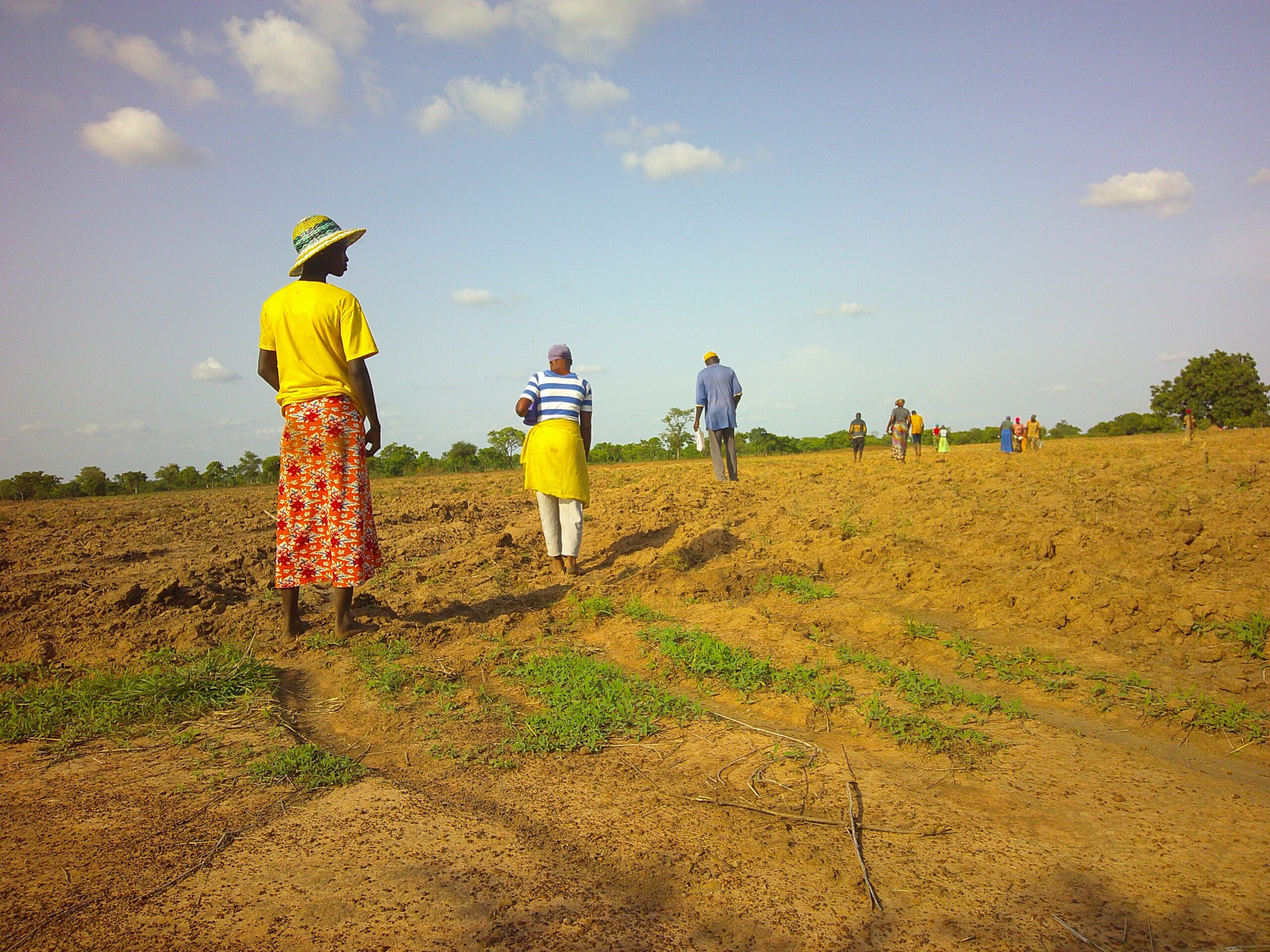
In the photo below: Farmers in Ghana (c) Cécile Poitevin
Author:
Dr. Peter Asare-Nuamah, ZEF Senior Researcher, INTERFACES Project
Feature photo:
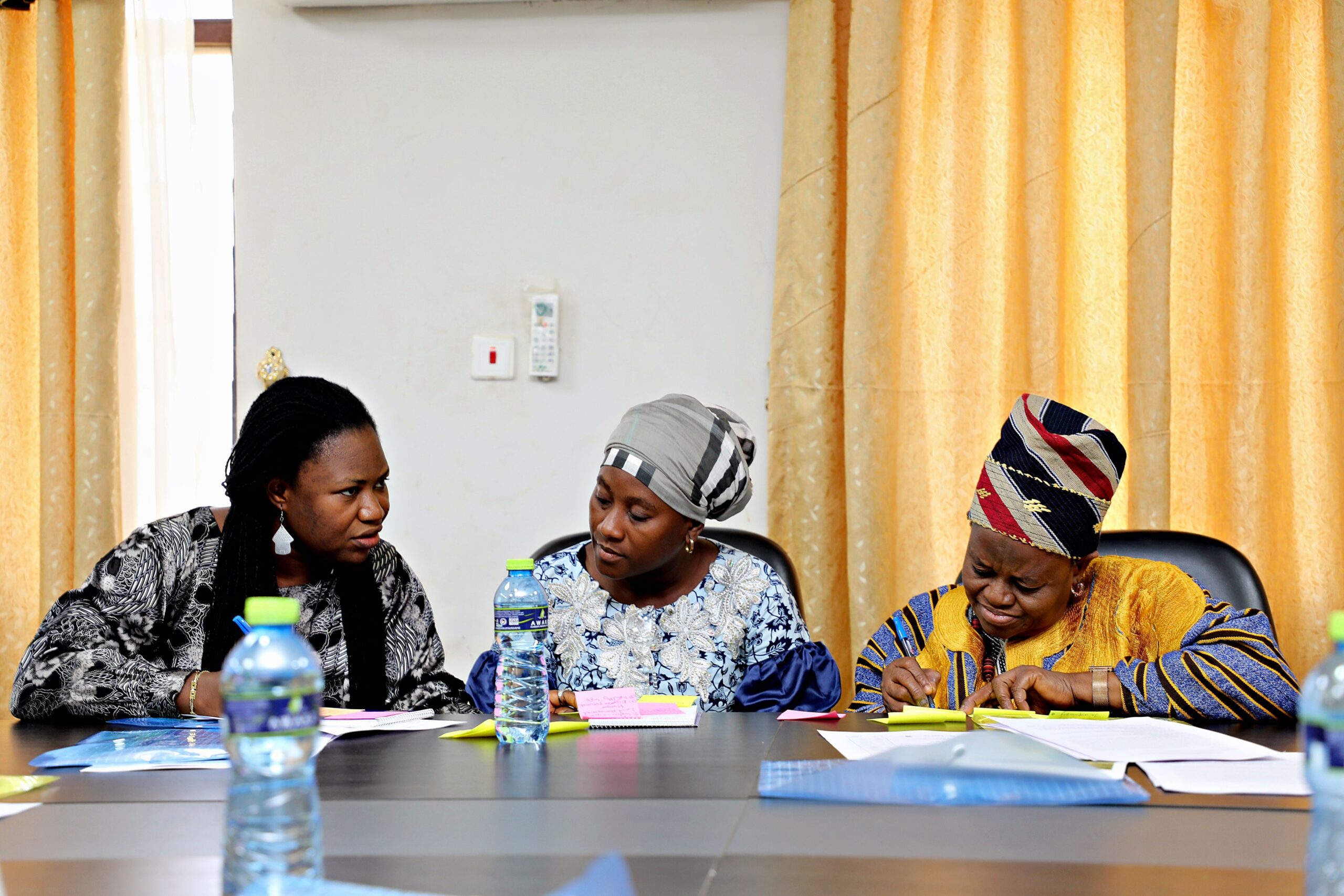
In the feature photo on top: Stakeholders in a Participatory Learning Platforms workshop. The photo was taken during our participatory learning platform workshop in Tamale, Ghana, on November 15, 2023, by FARA, a partner organization in the INTERFACES consortium.