Beyond Protected Areas: what Latin America’s forests can teach us about the next generation of conservation
Under the Kunming-Montreal Global Biodiversity Framework, countries pledged to conserve 30 percent of the planet by 2030. However, protected areas alone will not achieve this goal. Other Effective Area-Based Conservation Measures (OECMs) aim to bridge this gap by recognizing the conservation contributions of Indigenous territories, community lands, private reserves, and other managed landscapes. But which of these areas are actually preserving forests? Evidence from a recent study shows that Latin America offers a sobering—and, in certain places, hopeful—answer.
Background
Biodiversity loss is accelerating, and deforestation driven by agriculture and ranching is the main culprit in Latin America. For decades, the response has been to establish more protected areas (PAs). Currently, approximately 16 percent of the world’s land surface is formally protected, though this may not be sufficient to prevent extinction. Much of the world’s remaining biodiversity is located on privately held lands, lands managed collectively by indigenous peoples and local communities, and lands dedicated to uses other than strict conservation.
In 2018, the Convention on Biological Diversity introduced the concept of Other Effective Area-Based Conservation Measures (OECMs) to recognize this reality. An OECM is a geographically defined area outside the formal protected area system that delivers positive and sustained in situ biodiversity conservation outcomes, whether conservation is its primary goal or an added benefit. Under the 30×30 target of the Kunming-Montreal Global Biodiversity Framework, OECMs are counted alongside protected areas (PAs) towards the goal of conserving 30 percent of land and sea by 2030.
The concept is powerful, but its implementation is still in progress. As of early 2026, only about one percent of the world’s land surface has been officially reported as an OECM, and only 16 countries have reported any at all. Latin America is home to 123 million rural inhabitants, including indigenous and Afro-descendant peoples, and it has enormous potential to increase this number. Therefore, understanding which areas work and which do not is urgent.
Latin America: A region of living conservation
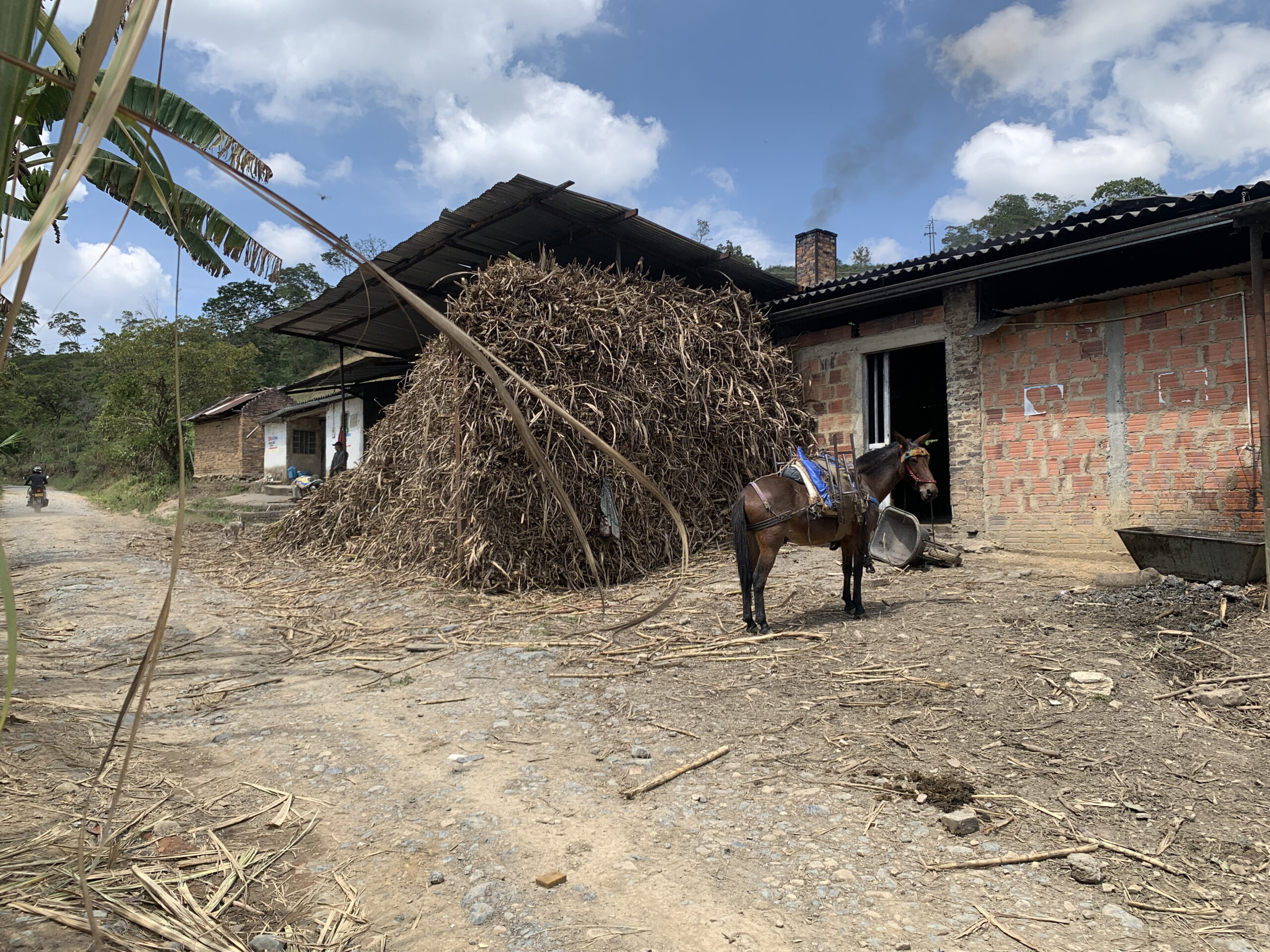
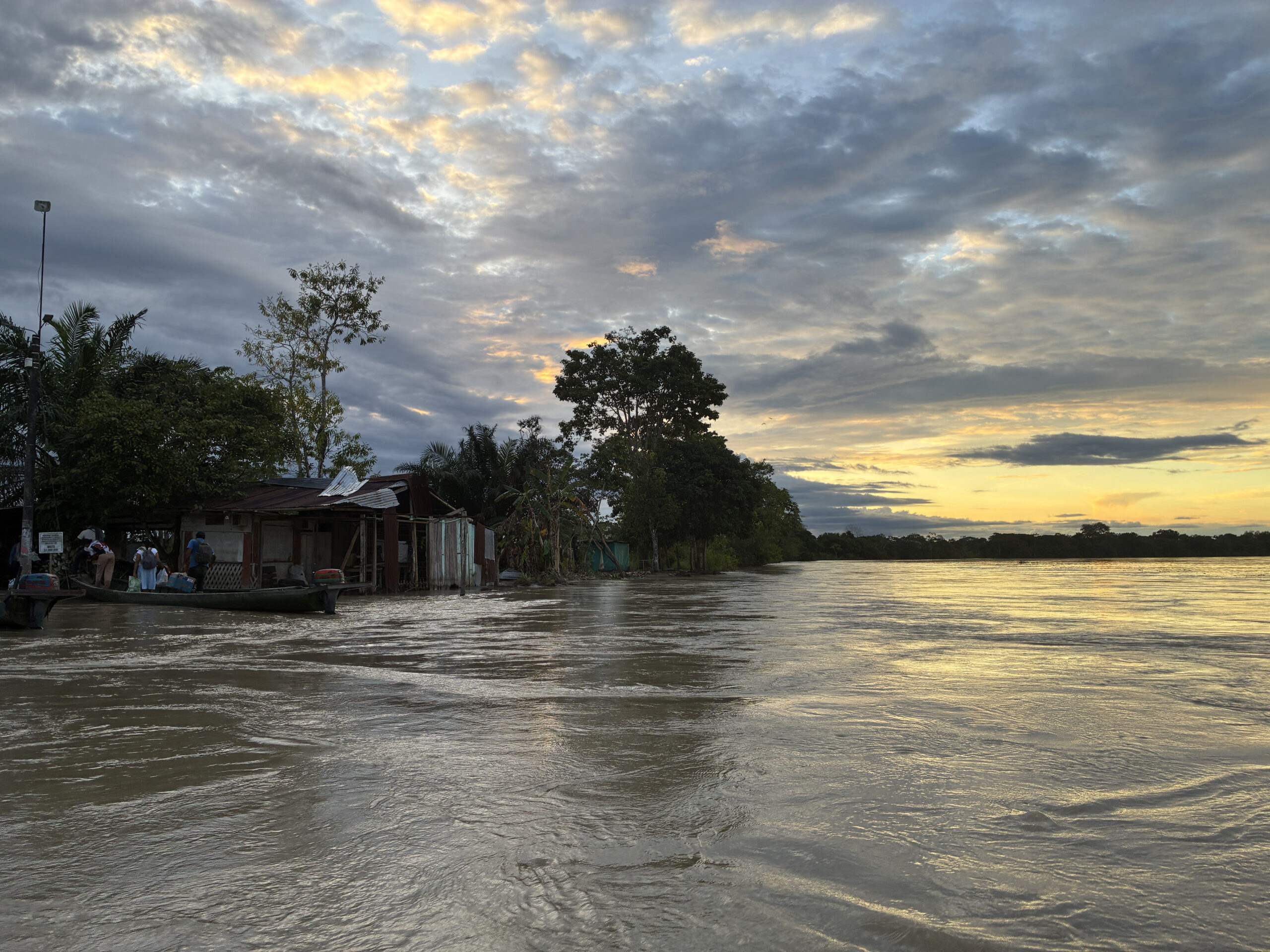
Few regions embody the concept of an OECM better than Latin America. The region is home to 123 million rural inhabitants, extensive Indigenous nations with long-standing territorial rights, and vibrant Afro-descendant and peasant communities whose histories are intertwined with the region’s forests. National legislation reflects this diversity. Examples include Terras Indígenas in Brazil, Resguardos in Colombia, Comarcas in Panama, Native and Peasant Community Lands in Peru, Ejidos in Mexico, and Quilombos and Peasant Reserve Zones in Brazil. Each designation carries its own legal weight and cultural meaning. Together, these areas form a mosaic of conservation that extends beyond protected areas. But which of these areas actually preserves forests?
The clearest signal comes from Indigenous Peoples’ territories. From the Peruvian Amazon to the Brazilian Cerrado, the Bolivian lowlands, and the forests of southern Mexico, the pattern repeats itself: where Indigenous governance is strong and land rights are secure, deforestation tends to be lower, often significantly so. In many cases, these territories protect forests as effectively as the best-managed national parks—and sometimes more effectively.
Afro-descendant and peasant territories tell a more layered story. Along Colombia’s Pacific coast, for example, collective land titles held by Afro-descendant communities have been associated with lower rates of forest loss, especially in areas where community councils actively govern access and use. Mexico’s ejidos, or collectively held lands governed by peasant assemblies, have become textbook cases of community forestry when local institutions are strong. However, similar arrangements can also lead to deforestation. For example, in parts of the Brazilian Amazon, rural settlements established for traditional families have often transitioned to extensive cattle ranching. The implication is uncomfortable but important: automatically designating such areas as OECMs would inflate national conservation figures without achieving tangible results.
A framework in progress
The discrepancy between what Latin America protects and what it formally reports is striking. Colombia has designated over nine percent of its territory as OECMs, while Peru and Ecuador have reported less than one-tenth of one percent each. Most countries in the region have reported none. Yet, community-based conservation remains invisible in international statistics across much of the region. Part of the reason is technical: the OECM category is new, national processes are still being designed, and the recognition criteria are demanding. However, part of the reason is political. Indigenous peoples and local communities are concerned that OECM recognition could subordinate their customary governance to externally defined conservation rules. Colombia’s experience illustrates this delicate balance. Several sites initially reported as OECMs were withdrawn from the global database because free, prior, and informed consent had not been adequately secured. Since then, the country has developed national guidelines to address these issues, an approach that other governments in the region are watching closely.
Three shifts for a credible 30×30
If Latin America is to translate its unique conservation landscape into a meaningful contribution to the Kunming–Montreal framework, the following three shifts are needed:
Recognition must be inclusive and rights-based. In many cases, the territories that have kept the region’s forests standing are those of Indigenous peoples, Afro-descendant communities, and peasant families. Their voices must influence how OECMs are identified and reported. Recognition should strengthen, not weaken, customary governance.
Evidence must be stronger and broader. With more than four decades of satellite-based forest monitoring, it is now possible to tell credible stories about which designations are delivering lasting outcomes and which are not. This evidence should extend beyond forest cover to include species and ecosystem integrity, as well as the governance arrangements that underpin long-term success. Megadiverse countries that are rarely mentioned in scientific discussions about conservation effectiveness, such as Costa Rica, Guatemala, and Venezuela, deserve particular attention.
Reporting must reflect reality, not ambition. Including underperforming areas in the 30×30 target would be a hollow achievement for biodiversity. Each candidate site should be assessed individually against the four criteria set by the Convention on Biological Diversity, and there should be transparent evidence of sustained outcomes. A smaller number of well-documented OECMs would benefit nature more than a larger number of paper designations
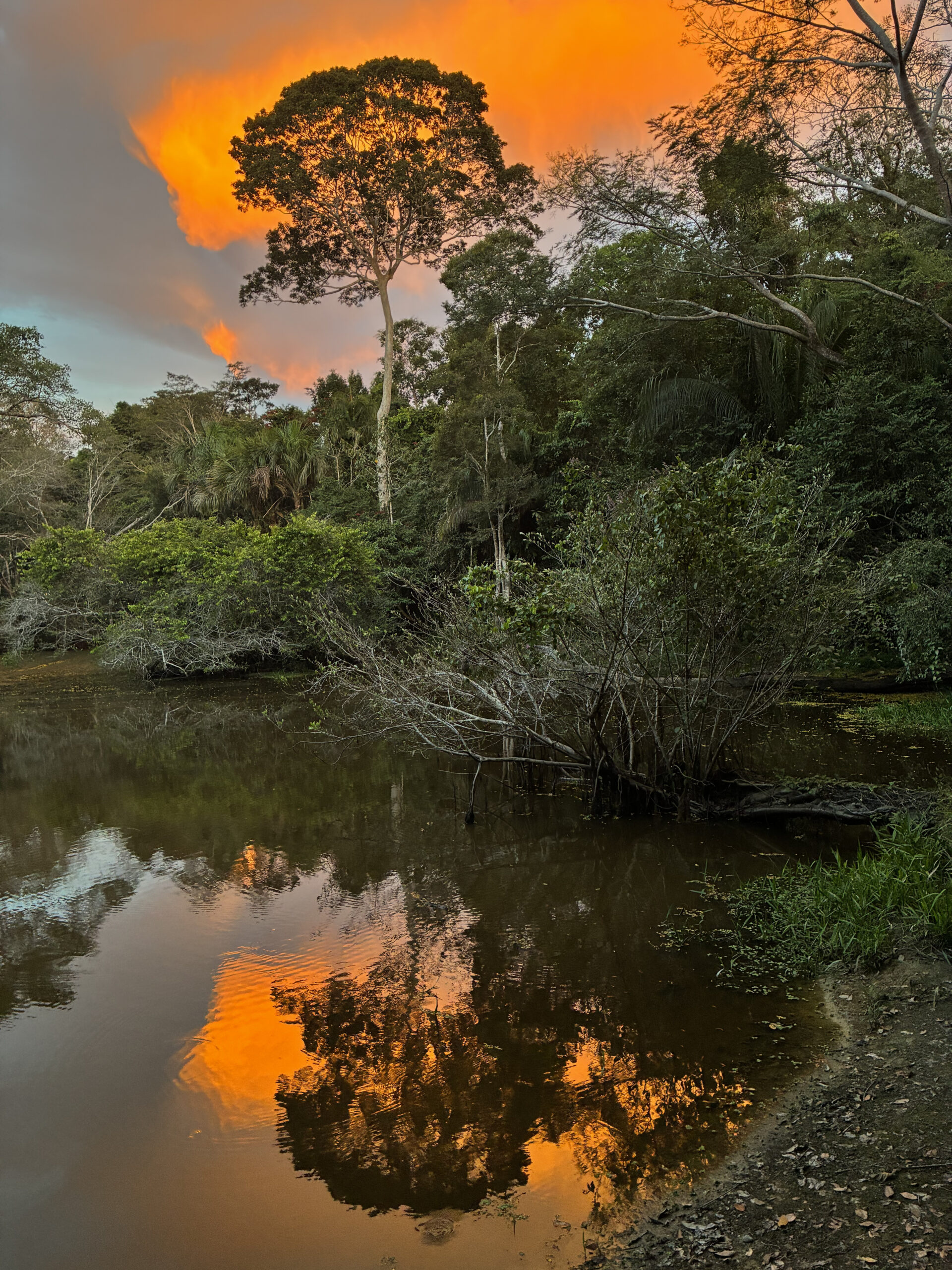
Listening to the forest
Protected areas will remain the backbone of global biodiversity conservation. However, the next decade will be decided at their edges — in the territories, commons, and working landscapes where people make decisions every day that either preserve forests or do not.
For Latin America, recognizing these quiet guardians is not a bureaucratic exercise. It is an opportunity to place the people who have sustained biodiversity for generations at the center of conservation again — people whose continued stewardship will determine whether the 30×30 target becomes a milestone or just another broken promise.
Author
Nicolas Lara Rodriguez is a ZEF junior researcher with ZEF’s division of NATURE.
Photo credits
All photos were taken by author.
Reference
https://conbio.onlinelibrary.wiley.com/doi/10.1111/cobi.70409